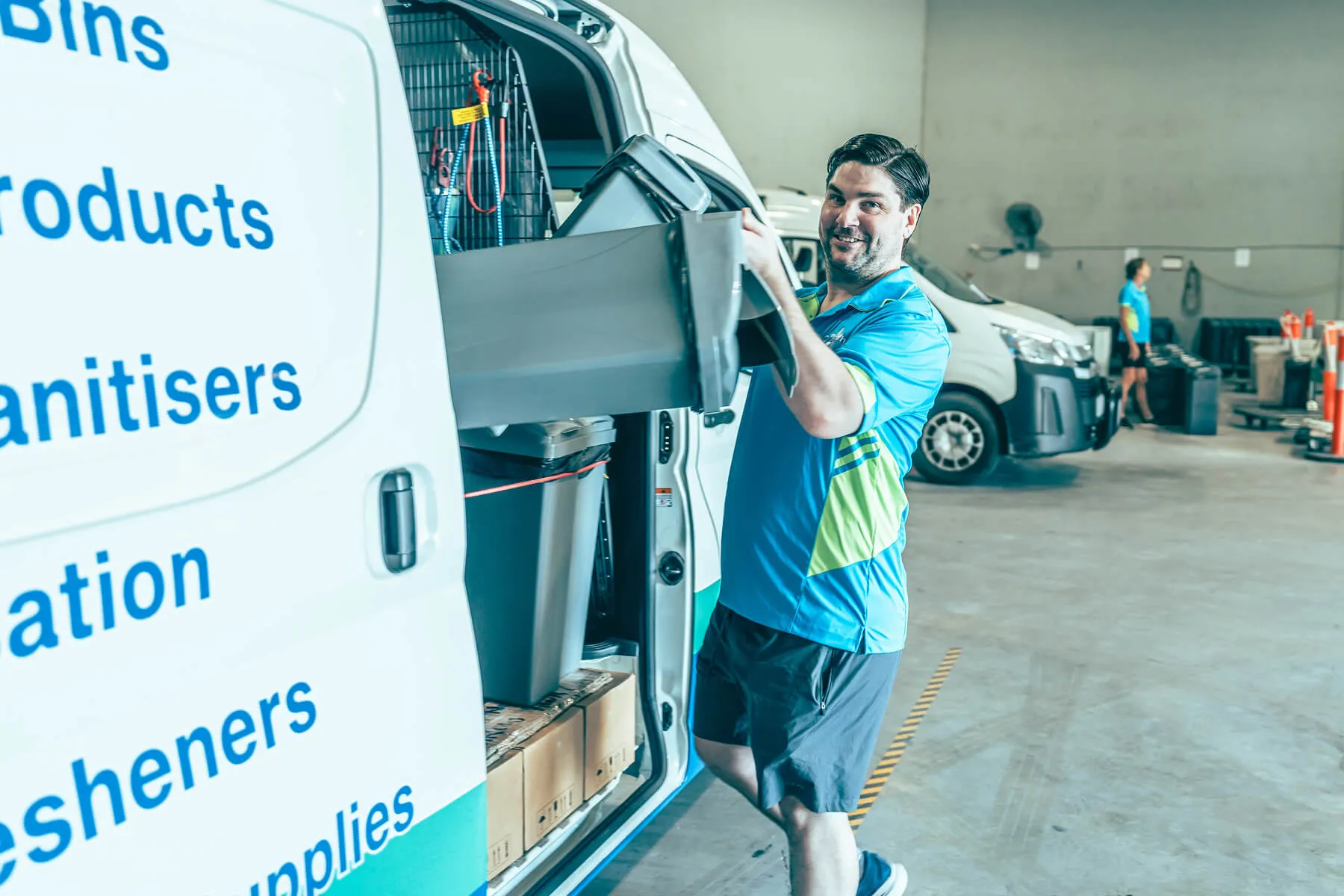
Workplace sanitation explained: Steps for safer facilities
TL;DR:
Workplace sanitation involves disinfecting high-touch areas to control pathogens, beyond basic cleaning.
Australian regulations require facility managers to document, regularly assess, and maintain sanitation standards.
Leadership commitment and proactive management are essential for effective, compliant workplace hygiene practices.
Most facility managers assume that a clean-looking workplace is a safe one. It isn’t. Routine cleaning removes visible dirt, but sanitation is a regulated, systematic process targeting the pathogens that cleaning alone misses. In Brisbane, Gold Coast, and Melbourne workplaces, getting this distinction wrong carries real consequences: regulatory penalties, staff illness, and reputational damage. This guide cuts through the confusion. You’ll find a clear definition of workplace sanitation, the Australian legal obligations you must meet, proven strategies for your facility type, and practical guidance on choosing the right solutions and partners.
Table of Contents
-
Legal and health compliance: Australian regulations facility managers must know
-
Sanitation strategies: Best practices in Australian workplaces
-
Why effective workplace sanitation starts with leadership mindset
Key Takeaways
| Point | Details |
|---|---|
| Sanitation vs. cleaning | Sanitation addresses germs and regulatory requirements beyond what regular cleaning achieves. |
| Legal compliance | Failing sanitation standards can lead to fines and health risks for your organisation. |
| Best practice strategies | Systematic routines, quality products, and trained staff ensure effective workplace hygiene. |
| Supplier selection | Careful choice of providers and products impacts both compliance and cost-efficiency. |
| Leadership impact | Facility managers who invest in a hygiene-focused culture achieve safer, more reputable workplaces. |
Defining workplace sanitation: Beyond basic cleaning
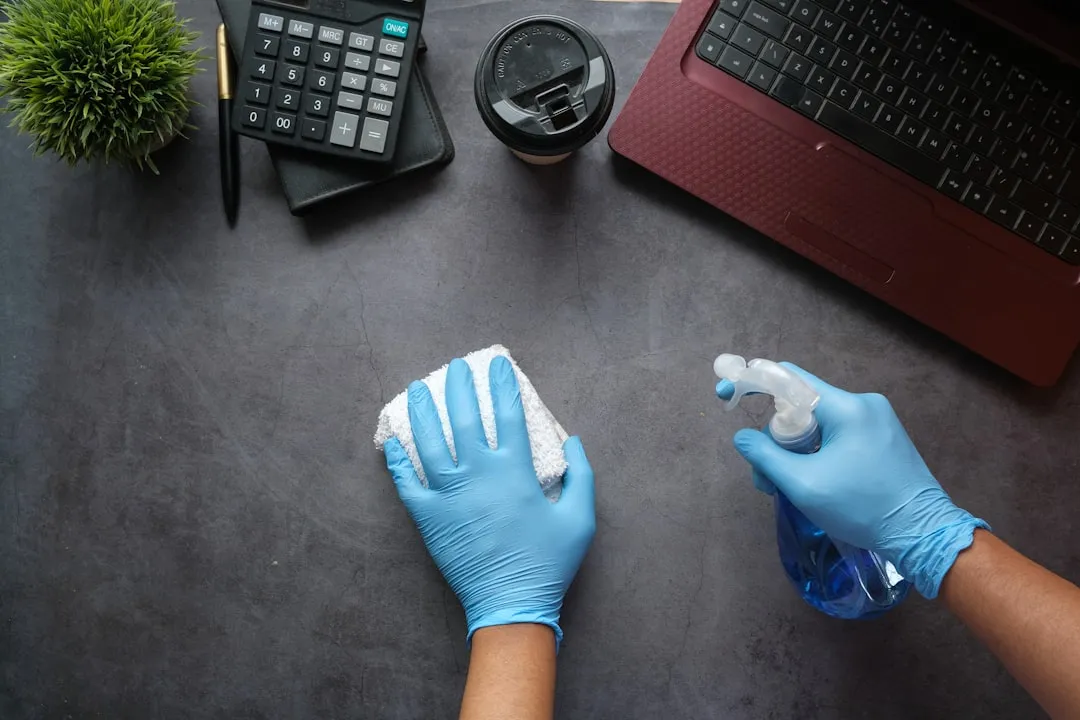
Cleaning and sanitation are not interchangeable. Cleaning uses detergents and physical action to remove dirt, grease, and debris from surfaces. Sanitation goes a step further, applying disinfectants and antimicrobial agents to reduce harmful microorganism levels to a safe threshold. As environmental cleaning essentials make clear, workplace sanitation differs from general cleaning as it targets pathogens and is required by specific regulations.
The core objectives of workplace sanitation are straightforward: reduce pathogen transmission, manage biological and chemical risks, and demonstrate compliance with health standards. These goals apply whether you manage a corporate office tower in Melbourne or a retail complex on the Gold Coast.
| Feature | Cleaning | Sanitation |
|---|---|---|
| Primary goal | Remove visible dirt | Eliminate pathogens |
| Agents used | Detergents, water | Disinfectants, antimicrobials |
| Regulatory requirement | General duty of care | Specific WHS and health codes |
| Outcome measure | Visual cleanliness | Pathogen count reduction |
| Frequency | Daily or as needed | Scheduled, risk-based |
High-touch areas demand the most attention in any sanitation programme. These include:
-
Door handles, lift buttons, and stair railings
-
Shared kitchen benches, taps, and appliance controls
-
Bathroom fixtures, dispensers, and waste receptacles
-
Meeting room surfaces, keyboards, and shared equipment
-
Reception counters and point-of-sale terminals
Many facilities make the mistake of treating these surfaces with the same frequency as low-risk areas. That’s where pathogen load accumulates silently.
Pro Tip: Build your sanitation schedule around occupancy peaks, not just the clock. A busy Brisbane office kitchen at 8:30am needs attention before staff arrive, not at 10am when the damage is already done. Scheduling sanitation touchpoints before and after high-use periods minimises disruption and maximises results.
A well-designed sanitation schedule also creates a documented audit trail, which is essential when regulators come knocking. Without records, even the most diligent facility manager has no proof of compliance.
Legal and health compliance: Australian regulations facility managers must know
Once you understand what sanitation involves, the legal picture becomes urgent. In Australia, the primary framework is the Work Health and Safety Act, which operates at federal and state levels across Queensland, Victoria, and beyond. Under this legislation, persons conducting a business or undertaking (PCBUs) have a positive duty to provide safe working environments, and that includes sanitation.
Poor workplace sanitation may lead to regulatory penalties and increased health risks, and Safe Work Australia’s enforcement data shows these penalties are not theoretical. Fines for WHS breaches can reach hundreds of thousands of dollars for serious contraventions, and repeat offenders face business closure.
Your compliance obligations extend beyond WHS. Depending on your industry, you may also be subject to:
| Regulation | Applies to | Key requirement |
|---|---|---|
| Food Standards Code | Hospitality, food retail | Sanitation of food-contact surfaces |
| Infection Control Standards | Healthcare, aged care | Documented disinfection protocols |
| Building Code of Australia | All commercial facilities | Adequate sanitary facilities per occupancy |
| State Health Acts | All facilities | Minimum hygiene standards for public spaces |
For a structured approach, your WHS hygiene duties require regular compliance checks. Follow these steps:
-
Conduct a documented risk assessment of all sanitation-relevant areas in your facility.
-
Identify applicable regulations for your industry and location.
-
Develop a written sanitation plan with assigned responsibilities and frequencies.
-
Train all relevant staff on procedures and product usage.
-
Maintain records of all sanitation activities, inspections, and corrective actions.
-
Schedule periodic internal audits and act on findings promptly.
-
Review your sanitary bins compliance guide to ensure waste management meets current standards.
One fact that surprises many facility managers: compliance is not a one-time event. Regulations are updated, occupancy changes, and new risks emerge. Your compliance process must be a living system, not a folder gathering dust.
Sanitation strategies: Best practices in Australian workplaces
Meeting the legal minimum is just the floor. Effective sanitation depends on robust routines tailored to your facility’s actual usage patterns and risk profile. A scheduled sanitation routine matched to space usage and risk level is what separates facilities that merely comply from those that genuinely protect their people.
Start by developing a custom sanitation checklist for each distinct zone in your building. A server room has different requirements to a staff bathroom. A loading dock presents different risks to a boardroom. Generic checklists miss these nuances and leave gaps that inspectors, and pathogens, will find.
The core principles of any effective sanitation strategy are frequency, coverage, and documentation. Frequency means sanitising high-risk areas more often than low-risk ones. Coverage means no surface, bin, or dispenser is overlooked. Documentation means every action is recorded with time, agent used, and staff member responsible.
High-impact strategies for Brisbane, Gold Coast, and Melbourne facilities include:
-
Roster sanitation tasks separately from general cleaning duties to avoid confusion
-
Train staff to distinguish between cleaning and disinfecting products and their correct dwell times
-
Conduct unannounced spot checks to maintain consistent standards between scheduled visits
-
Install hand hygiene stations at every entry point and high-traffic zone
-
Use colour-coded equipment to prevent cross-contamination between zones
-
Review office hygiene strategies regularly to incorporate updated guidance
-
Benchmark your approach against commercial hygiene best practice for your sector
Different facility types call for different approaches. A multi-tenanted commercial building in Melbourne CBD needs a coordinated plan across shared amenities, with clear accountability between building management and individual tenants. A service station on the Gold Coast faces high public throughput with limited staff, so automated dispensing systems and simplified checklists are more practical.
Pro Tip: Involve your occupants in reporting hygiene issues. A simple anonymous reporting mechanism, whether a QR code on the wall or a shared inbox, creates a real-time feedback loop that no inspection schedule can replicate. The people using your facilities every day will spot problems before your next scheduled audit.
Selecting the right sanitation solutions and partners
Even with strong internal processes, the right tools and expert support are what sustain sanitation outcomes over time. Choosing the right combination of products and services is vital for effectiveness and cost-efficiency, and the market offers a wide range of options that vary significantly in quality and suitability.
When assessing any supplier or contractor, prioritise these credentials:
-
Demonstrated experience in your specific industry and facility type
-
Compliance with Australian standards for disinfectant efficacy (TGA-listed products where applicable)
-
Clear documentation of service delivery, including visit records and product data sheets
-
Transparent pricing with no hidden costs for consumable restocking
-
Responsiveness and local presence in Brisbane, Gold Coast, or Melbourne
The choice between in-house sanitation, outsourced contractors, or a hybrid model depends on your facility’s size, risk profile, and internal capability.
| Factor | In-house | Outsourced | Hybrid | |—|—|—| | Cost | Lower direct cost | Predictable contract fee | Balanced | | Expertise | Variable | Specialist knowledge | Targeted | | Flexibility | High | Depends on contract | Moderate | | Accountability | Internal | Contractual | Shared | | Compliance risk | Higher without training | Lower with credentialled provider | Managed |
Red flags to watch for when evaluating providers include vague service descriptions, no written compliance records, inability to supply product safety data sheets, and staff who cannot explain the difference between cleaning and disinfecting. Quality markers include proactive communication, documented training programmes for their teams, and familiarity with your industry’s specific regulatory requirements.
Explore the full range of workplace hygiene service types available for Australian facilities, and review sanitation products overview options to understand what a complete solution looks like for your site.
Why effective workplace sanitation starts with leadership mindset
Here’s the uncomfortable truth that most sanitation guides avoid: the majority of hygiene failures in Australian workplaces don’t start at the cleaner level. They start in the boardroom. When senior management treats sanitation as a line item to minimise rather than a standard to uphold, the entire system degrades, regardless of how good the checklist is.
We’ve seen facilities with premium service contracts and state-of-the-art dispensers that still fail inspections, because leadership never modelled the behaviour or held anyone accountable. Contrast that with organisations where the facilities manager does a visible walkthrough every week and asks staff directly about hygiene concerns. Those workplaces consistently outperform on compliance and staff satisfaction.
Sanitation is foundational to your facility’s reputation, staff retention, and risk management. A single outbreak linked to poor hygiene can cost far more than years of professional servicing. Understanding your managers’ hygiene duties is not just a legal obligation, it is a leadership responsibility. The facilities that get this right treat sanitation as a cultural standard, not a delegated task.
Get expert help with workplace sanitation
If you’re ready to raise sanitation standards across your facility, Ozifresh has been helping Brisbane, Gold Coast, and Melbourne organisations do exactly that for over 40 years. From office hygiene solutions tailored to corporate environments, to full-service programmes for complex multi-site operations, our team works with you to build a sanitation plan that fits your facility, your risk profile, and your budget. You can view hygiene products across our full catalogue, or contact our local experts directly to discuss a customised approach. Visit Ozifresh to get started.
Frequently asked questions
What is the main difference between cleaning and workplace sanitation?
Sanitation goes beyond cleaning by targeting harmful microbes, while cleaning only removes visible dirt and debris. Meeting health standards requires both, applied in the correct sequence.
Who is responsible for workplace sanitation in Australian organisations?
Facility management carries primary responsibility for upheld standards by law, with business leaders accountable under WHS legislation for ensuring safe and sanitary conditions.
How often should workplace sanitation be done?
Scheduled sanitation routines are essential for hygiene management, with high-touch surfaces requiring at least daily disinfection and a documented schedule based on risk assessment and occupancy.
What are common workplace sanitation procedures?
Procedures ensure full sanitary coverage of risk areas and typically include surface disinfection, hand hygiene station maintenance, safe sharps and sanitary waste disposal, and thorough bathroom servicing.
What is the penalty for non-compliance with sanitation regulations?
Regulatory penalties can be severe for non-compliance, including significant fines, mandatory remediation orders, business closure, and lasting reputational damage to your organisation.
Recommended
Ready for a cleaner, safer workplace?
Contact our team today to discuss hygiene services for your business in Brisbane, Melbourne or the Gold Coast.