School hygiene best practices for administrators: 2026
TL;DR:
- Effective school hygiene relies on daily disinfection, scheduled testing, and structured audits with assigned accountability. Regular cleaning of high-touch surfaces and restrooms prevents contamination, while testing verifies cleanliness beyond visual inspection. Structured audits and proper training enhance safety and ensure continuous adherence to health protocols.
School hygiene best practices are systematic approaches that combine daily disinfection, scheduled testing, and compliance auditing to protect student health and safety. Getting this right in 2026 means going beyond a mop and a spray bottle. It means using tools like ATP bioluminescence testing, following COSHH-aligned product selection, and running structured audits that assign clear ownership to every identified issue. This article covers the protocols that actually work, in the order you need to implement them.
1. school hygiene best practices: daily cleaning and disinfection
The foundation of any effective school hygiene programme is a non-negotiable daily cleaning routine targeting high-touch surfaces. Desks, chairs, door handles, light switches, keyboards, and shared equipment must be disinfected at least once every school day. High-touch surfaces disinfected daily is the 2026 baseline standard. Skipping even one day on these surfaces creates compounding contamination risk.
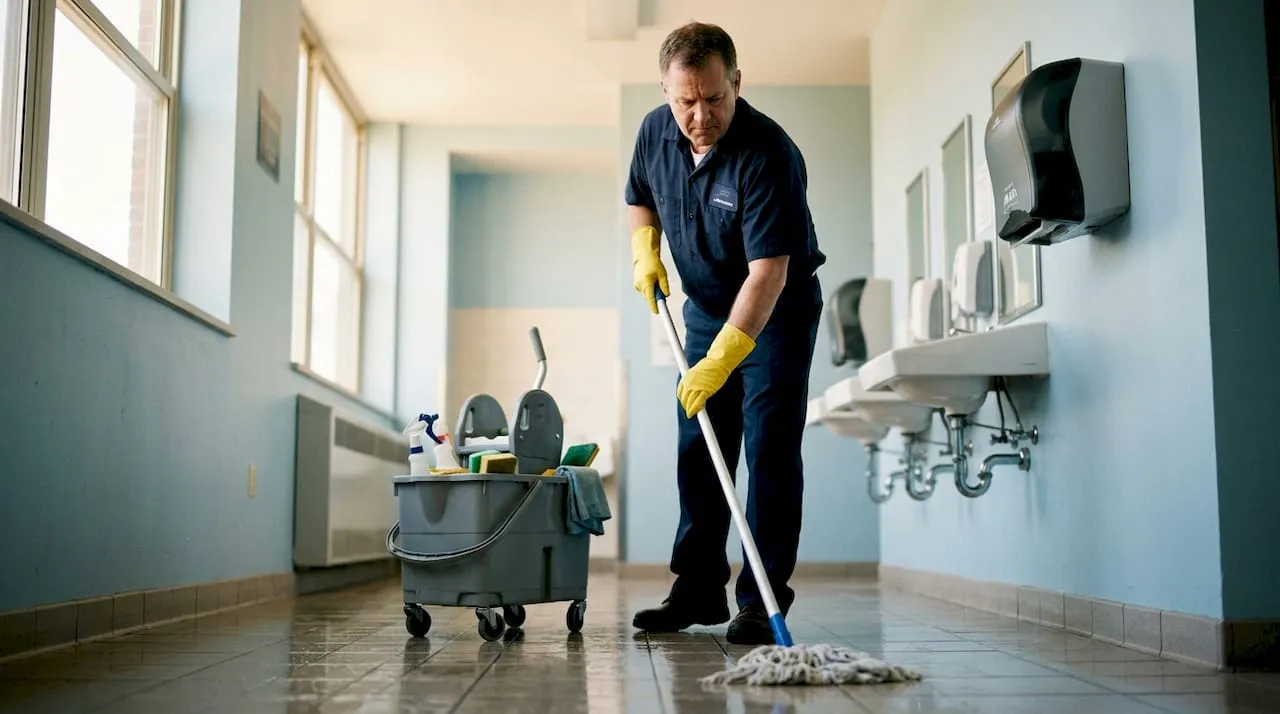
Restrooms are the highest-risk spaces in any school. Restroom cleaning frequency must reach a minimum of three times per day, with high-traffic facilities cleaned every few hours. That frequency is not excessive. It reflects how quickly bacterial loads rebuild on toilet seats, taps, and door handles when hundreds of students cycle through.
Cafeterias require their own cleaning rhythm. Tables, floors, and serving areas need attention between every lunch period, not just at the end of the day. A layered cleaning approach pairs light disinfection during school hours with intensive after-hours cleaning. This prevents food residue buildup, deters pests, and avoids cross-contamination between year groups eating at different sittings.
Pro Tip: Assign specific staff to specific zones rather than rotating teams daily. Zone ownership builds familiarity with problem spots and improves consistency over time.
Key daily tasks to include in your cleaning schedule:
- Disinfect all door handles, light switches, and tap fixtures at the start and end of each school day
- Wipe down shared classroom equipment including tablets, remote controls, and science lab tools after each use
- Clean restrooms mid-morning and post-lunch as minimum intervals, with additional checks for high-traffic blocks
- Clear and sanitise cafeteria tables between sittings and conduct a full floor clean after the final lunch period
- Empty and sanitise waste bins in classrooms and common areas daily
2. how hygiene testing and monitoring improve school safety
Testing is the difference between assuming your school is clean and knowing it is. Schools following current school health guidelines should test drinking water every 3–6 months, water tanks and Legionella every 6 months, and indoor air quality annually. Each of these tests catches risks that visual inspection cannot detect.
Surface swab testing and cafeteria food microbiology testing should occur monthly. Monthly testing catches contamination patterns before they become health incidents. Weekly ATP bioluminescence testing on high-touch surfaces provides objective, data-driven proof of cleaning effectiveness. ATP testing measures organic residue invisible to the naked eye, which means it tells you whether a surface is genuinely clean, not just visually tidy.
| Test Type | Recommended Frequency | What It Detects |
|---|---|---|
| Drinking water quality | Every 3–6 months | Bacteria, chemical contaminants |
| Water tank and Legionella | Every 6 months | Legionella bacteria, biofilm |
| Indoor air quality | Annually | VOCs, particulates, CO2 levels |
| Surface swab testing | Monthly | Bacterial contamination on surfaces |
| Cafeteria food microbiology | Monthly | Pathogens in food preparation areas |
| ATP bioluminescence | Weekly | Organic residue on high-touch surfaces |
Pro Tip: Keep a digital log of all ATP test results by location and date. Patterns in the data will show you exactly which surfaces your team is consistently missing, so you can retrain on those specific spots.
3. what school hygiene audits must include
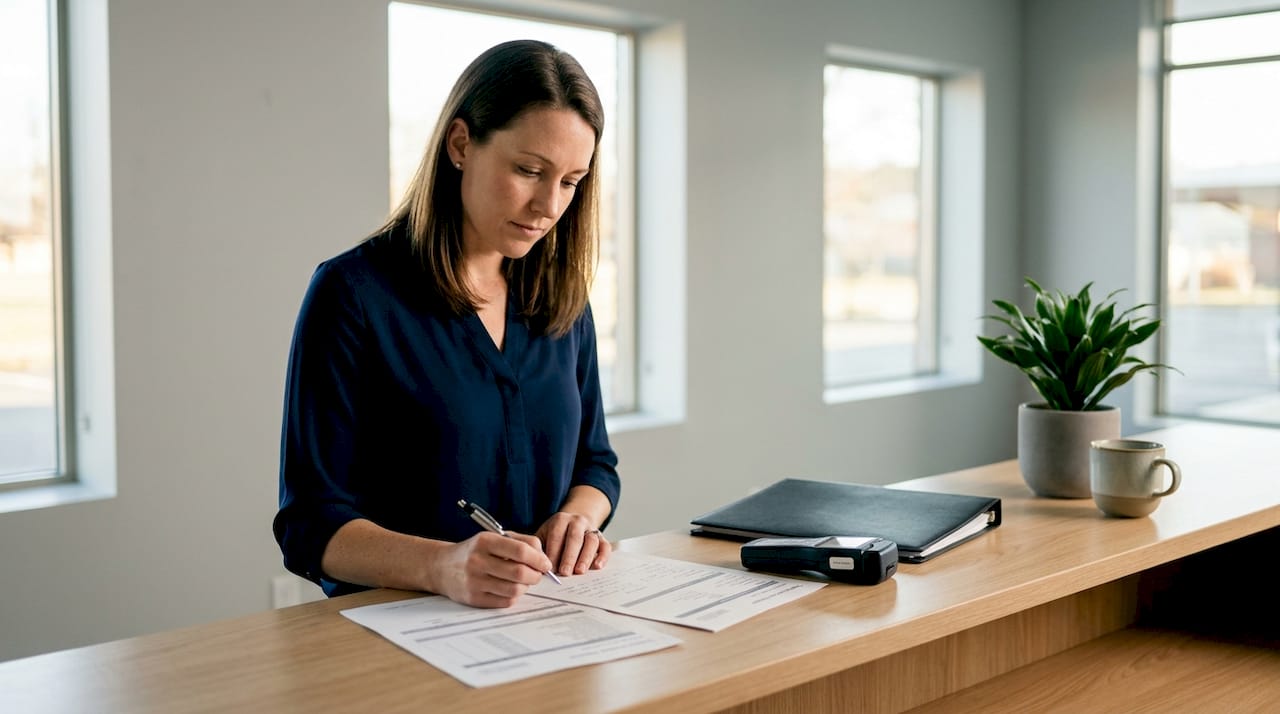
A school cleaning audit is a strategic management tool, not a compliance checkbox. Effective audits identify issues before complaints arise and include time-stamped logs, photographic evidence, and follow-up with assigned owners. That last part is where most audits fail. Finding a problem without assigning someone to fix it by a specific date achieves nothing.
Focus audit attention on the highest-risk areas first: toilets, building entrances, corridors, dining spaces, and any room used by multiple year groups. Run weekly spot checks on these areas and schedule a full structured audit monthly. Use a clear three-tier rating scale such as Good, Needs Attention, and Unacceptable to remove ambiguity from assessments.
Your audit process should follow this sequence:
- Inspect priority zones using a standardised checklist with photo documentation at each site
- Rate each area using the three-tier scale and note specific deficiencies with timestamps
- Assign a named staff member to each issue with a defined resolution timeframe
- Conduct a recheck within 48 hours to confirm the issue has been resolved
- Log all findings, actions, and outcomes in a central record accessible to school leadership
“Audits that lack assigned ownership and follow-up dates are not audits. They are observations. The difference between the two is whether anything actually changes.” — hygiene compliance strategies
Photographic evidence is non-negotiable. Photos create an objective record that protects the school during inspections and gives cleaning teams clear visual benchmarks for acceptable standards.
4. cleaning products, techniques, and staff training
Product selection is a compliance issue, not just a preference. COSHH-compliant, non-toxic disinfectants reduce chemical exposure risks for both students and custodial staff. Non-toxic product selection aligns with sustainability standards and reduces the risk of respiratory irritation in poorly ventilated classrooms. Choosing the right product matters as much as using it correctly.
Technique matters more than most administrators realise. Textured surfaces like door handles require scrubbing rather than wiping because micro-grooves trap bacteria that a standard wipe cannot remove. ATP testing validates whether the scrubbing technique is working. If a surface consistently fails ATP tests despite regular cleaning, the technique needs to change before the product does.
Staff training must be ongoing, not a single induction session. Protocols evolve, products change, and new staff join throughout the year. Regular training sessions keep the whole team aligned on current procedures, safety measures, and environmentally responsible practices. Upskilling custodial teams in health-focused cleaning methods directly reduces pathogen transmission rates across the facility.
Key product and training priorities for 2026:
- Select disinfectants verified as non-toxic and biodegradable, with Safety Data Sheets on file for all products
- Use scrubbing tools on textured surfaces including door handles, toilet fixtures, and cafeteria seating
- Schedule training refreshers at the start of each school term to cover any protocol updates
- Align cleaning schedules with peak contamination times. Mid-morning and post-lunch are the highest-risk windows for restrooms and cafeterias
- Document all training sessions with attendance records for compliance purposes
Pro Tip: Run a short ATP test demonstration during staff training. Seeing a high reading on a surface that looks clean is far more persuasive than any written protocol.
5. outbreak prevention and post-incident response
Early intervention is the single most effective tool in outbreak management. Isolating and disinfecting contaminated areas the moment students show symptoms of a contagious illness significantly reduces the risk of wider spread. Waiting until multiple students are sick before acting makes remedial cleaning far less effective. The window between first symptom and widespread transmission is short.
Specific diseases require specific responses. Norovirus and hand, foot and mouth disease are highly contagious and survive on surfaces for extended periods. Both require immediate closure of affected areas, full disinfection with products proven effective against those pathogens, and a minimum rest period before the space is reopened. Standard daily cleaning protocols are not sufficient during an active outbreak.
Communication is as important as the cleaning itself. School leadership, custodial teams, and local health authorities must be notified and coordinated from the moment an outbreak is suspected. Delayed communication leads to delayed response, which is the primary driver of outbreak escalation in school settings.
Outbreak response steps to have ready before an incident occurs:
- Maintain a written outbreak response protocol that all staff can access immediately
- Stock dedicated outbreak-grade disinfectants separately from daily cleaning supplies
- Identify isolation areas in advance so affected students can be moved quickly
- Establish a direct communication line with your local public health unit for rapid guidance
- Conduct a full post-incident audit before reopening any affected space to confirm contamination has been eliminated
Key takeaways
Effective school hygiene requires daily disinfection of high-touch surfaces, scheduled testing across water, air, and surfaces, and structured audits with clear ownership to maintain consistent safety standards.
| Point | Details |
|---|---|
| Daily disinfection is non-negotiable | High-touch surfaces, restrooms, and cafeterias require cleaning at defined intervals every school day. |
| Testing confirms what cleaning cannot | ATP, water, and air quality testing reveal contamination invisible to visual inspection. |
| Audits need ownership to work | Every audit finding must have a named responsible person and a resolution deadline. |
| Product and technique both matter | Non-toxic, COSHH-compliant products paired with correct scrubbing techniques remove pathogens effectively. |
| Early outbreak response prevents escalation | Isolating affected areas at first symptom is far more effective than remedial cleaning after spread. |
The part most schools get wrong
School hygiene audits are treated as paperwork in most facilities I have seen. The checklist gets completed, filed, and forgotten until the next inspection. That is not a hygiene programme. That is a liability shield with no practical effect on student health.
The schools that genuinely maintain clean, safe environments share one habit: they treat audit findings as operational tasks with deadlines, not observations for the record. When a toilet block scores Unacceptable on a Monday morning, someone specific is responsible for fixing it by Tuesday, and someone else checks that it has been fixed. That accountability loop is what separates a functional hygiene system from a folder of completed forms.
The other shift worth making is moving from reactive to data-driven cleaning. ATP bioluminescence testing is not expensive or complicated, but it changes how cleaning teams think about their work. When staff can see objective readings on surfaces they thought were clean, behaviour changes. Technique improves. Problem areas get identified and addressed before they cause illness. That is the kind of commercial hygiene practice that actually reduces absenteeism and protects your school’s reputation.
Sustainable, non-toxic products are also worth prioritising beyond compliance. Children spend six or more hours a day in these spaces. Reducing their cumulative exposure to harsh chemical residues is a long-term health investment, not just a regulatory requirement.
— Ozifresh
How ozifresh supports schools with professional hygiene services
Ozifresh delivers professional hygiene solutions built specifically for educational facilities across Brisbane, the Gold Coast, and Melbourne. With over 40 years of experience, the team understands the unique demands of school environments, from high-traffic restrooms to cafeteria sanitation. Ozifresh supplies hand sanitiser, air fresheners, sanitary bins, and a full range of hygiene and sanitary products suited to school settings. The team also supports compliance documentation and audit-ready service delivery, so your facility meets regulatory standards without the administrative burden. Contact Ozifresh to discuss a hygiene programme tailored to your school’s specific needs and student population.
FAQ
How often should school restrooms be cleaned each day?
High-traffic restrooms require cleaning a minimum of three times per day, with some facilities needing attention every few hours depending on student numbers. Mid-morning and post-lunch are the highest-risk windows.
What is ATP bioluminescence testing and why does it matter for schools?
ATP bioluminescence testing measures organic residue on surfaces that visual inspection cannot detect. Weekly ATP testing on high-touch surfaces provides objective proof of cleaning effectiveness and identifies areas where technique needs improvement.
How often should schools test their drinking water?
Schools should test drinking water every 3–6 months and conduct water tank and Legionella testing every 6 months. Annual indoor air quality testing is also recommended under current school health guidelines.
What should a school hygiene audit include?
A thorough audit covers priority zones such as toilets, corridors, and dining areas, uses a clear rating scale, includes photographic evidence, and assigns named owners to every identified issue with defined resolution timeframes.
Which cleaning products are safest for school environments?
Non-toxic, biodegradable disinfectants that comply with COSHH standards are the safest choice. These products reduce chemical exposure risks for students and custodial staff while meeting current sustainability requirements.
Recommended
Ready for a cleaner, safer workplace?
Contact our team today to discuss hygiene services for your business in Brisbane, Melbourne or the Gold Coast.