Safe disposal practices: a guide for Australian businesses

TL;DR:
- Proper waste disposal involves systematic handling to protect health and meet regulations. The waste hierarchy prioritizes prevention, reuse, and recycling over disposal to reduce environmental impact. Regular audits, staff training, and documented chain-of-custody ensure compliance and safety in waste management practices.
Safe disposal practices are systematic processes for handling, segregating, transporting, and disposing of waste to protect people and the environment while meeting regulatory obligations. Explaining safe disposal practices to staff, contractors, and leadership is not a compliance formality. It is a core operational responsibility. Australian businesses face fines, environmental liability, and reputational damage when waste management fails. The EU’s 5-step waste hierarchy, defined under Directive 2008/98/EC, provides the internationally recognised framework that underpins responsible disposal decisions across industries, including healthcare, education, hospitality, and commercial workplaces.
What is the waste hierarchy and how does it guide disposal choices?
The waste hierarchy is the globally accepted framework for prioritising waste management decisions. Defined by EU Directive 2008/98/EC and broadly adopted in Australian environmental policy, it ranks five approaches from most to least preferred: prevention, reuse, recycling, recovery, and safe disposal. The hierarchy exists because disposal is the least sustainable option. Every step above it reduces environmental harm, conserves resources, and lowers compliance risk.
Prevention means reducing waste at the source. A healthcare facility that switches to reusable instrument trays instead of single-use kits prevents waste before it is generated. Reuse extends the life of materials before they enter the waste stream. Recycling recovers materials like paper, glass, and certain plastics for reprocessing. Recovery includes energy recovery from waste that cannot be recycled. Safe disposal, the final step, applies only to waste that cannot be managed by any higher-priority method.
| Hierarchy step | Practical example | Business benefit |
|---|---|---|
| Prevention | Ordering only what is needed to reduce expired stock | Reduces disposal costs and regulatory exposure |
| Reuse | Refilling sanitiser dispensers rather than replacing units | Cuts consumable spend and container waste |
| Recycling | Segregating cardboard, glass, and clean plastics | Diverts waste from landfill and supports sustainability reporting |
| Recovery | Sending non-recyclable waste to energy-from-waste facilities | Reduces landfill volume and recovers residual value |
| Safe disposal | Licensed removal of sharps, chemicals, and clinical waste | Meets legal obligations and protects staff and the public |
Pro Tip: Map your waste streams against the hierarchy before your next disposal contract renewal. You may find that a significant portion of what you currently send to landfill qualifies for recycling or recovery, which reduces both cost and compliance risk.
What are the key regulatory requirements for safe waste disposal in Australia?
Australian environmental law treats improper waste disposal as a serious offence. Each state and territory has its own environmental protection legislation, but the core obligations are consistent: hazardous and clinical waste must be segregated, stored correctly, transported by licensed carriers, and documented from generation to final destruction. Non-compliance with medical waste disposal regulations can incur fines of up to $165,514 per wilful violation. That figure reflects the severity with which regulators treat failures that put public health at risk.

Chain-of-custody documentation is the legal backbone of compliant waste management. A chain-of-custody manifest legally ties the waste generator to the final destruction of the material and minimises ongoing liability. This is not a receipt. It is an auditable record that must accompany every waste transport and treatment event, and it is the first document regulators request during an EPA or WorkSafe audit.
Key compliance obligations for Australian businesses include:
- Maintaining a current register of all hazardous waste types generated on site
- Using approved, labelled containers that meet Australian Standards for each waste category
- Engaging only licensed waste carriers for transport of regulated waste streams
- Retaining chain-of-custody manifests for a minimum period as required by state legislation
- Scheduling regular pickups to prevent container overfill, which constitutes a separate compliance breach
- Training staff to identify, segregate, and report waste correctly
Pro Tip: Set calendar reminders for container pickup schedules tied to your busiest operational periods. Overfilled containers are among the most common compliance violations and the easiest to prevent with proactive scheduling.
Container management is a practical compliance lever that many organisations overlook. Overfilled or aging containers signal a failure to prioritise staff safety and increase accident likelihood. Scheduling pickups before containers reach capacity is a straightforward operational fix with direct compliance and safety benefits.
How to identify, segregate, and safely store different waste types
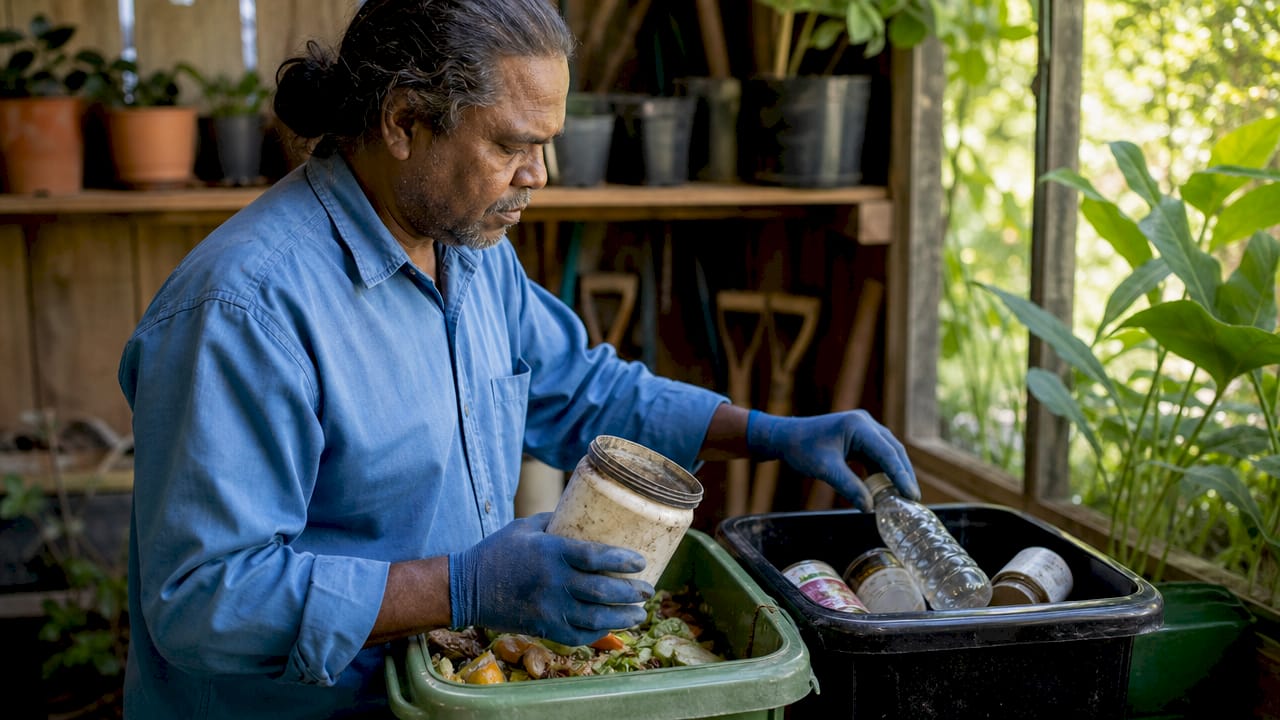
Correct waste identification is the starting point for every responsible disposal decision. Mixing hazardous waste into general waste creates serious compliance risks and public health liabilities. Dedicated licensed transport is mandatory for regulated waste streams, not optional. The most common segregation failures occur when staff are not trained to distinguish between waste categories or when facilities lack clearly labelled, purpose-built containers.
| Waste type | Key characteristics | Storage requirement |
|---|---|---|
| Clinical and sharps waste | Needles, lancets, syringes, blood-contaminated materials | Puncture-resistant, sealed, yellow-lidded containers |
| Hazardous chemical waste | Solvents, cleaning agents, laboratory chemicals | Bunded storage area, chemical-resistant containers, clear labelling |
| Electronic waste | Computers, phones, batteries, circuit boards | Separate collection bins, away from heat sources |
| Nicotine and lithium battery waste | E-cigarettes, vapes, lithium cells | Specialised hazardous collection, excluded from general bins |
| Liquid and industrial waste | Used oils, coolants, industrial chemicals | Sealed drums, secondary containment, licensed removal |
| General recyclables | Paper, cardboard, clean plastics, glass | Colour-coded bins, free of contamination |
Nicotine-containing waste and lithium batteries must be managed through specialised hazardous waste collections to prevent fires and toxicity. These materials are excluded from municipal solid waste streams for good reason. A single lithium battery in a compactor can cause a fire that shuts down an entire waste facility.
Used oils, solvents, and industrial chemicals require specialised hazardous waste disposal processes to prevent long-term environmental contamination. Professional waste removal for these streams also protects operational legitimacy. Businesses that cannot demonstrate compliant disposal face licence and permit risks beyond the immediate fine.
Safe storage practices reduce risk between generation and collection. Containers must be clearly labelled with the waste type, hazard classification, and date of first use. Storage areas must be secure, ventilated where required, and physically separated from incompatible waste streams. Incorrectly disposing of liquids and chemical containers in standard bins is one of the most frequent compliance violations identified during workplace audits.
What practical methods support safe disposal and waste auditing?
Responsible disposal relies on a defined set of methods matched to each waste stream. The primary options are licensed transport to approved treatment facilities, specialised treatment such as autoclaving for clinical waste, energy recovery for non-recyclable combustible materials, incineration for certain hazardous and clinical streams, and regulated landfill as a last resort. Each method carries its own documentation, licensing, and cost profile. Choosing the right method requires knowing exactly what waste you generate and in what volumes.
Waste audits are the most underused tool in business waste management. A structured audit identifies what waste is being generated, whether it is being segregated correctly, and where disposal costs can be reduced. Effective waste management reflects organisational commitment to safety, and audits and documentation are often overlooked but vital. An audit also produces the baseline data needed to demonstrate improvement over time, which matters during regulatory reviews and sustainability reporting.
A practical waste audit process follows these steps:
- Map all waste generation points across the facility, including kitchens, bathrooms, clinical areas, workshops, and loading docks.
- Weigh and categorise waste by stream over a defined period, typically two to four weeks.
- Identify segregation failures by examining contamination in recycling bins and general waste.
- Review current disposal contracts against actual waste volumes and types to check for gaps or overservicing.
- Set measurable targets for waste reduction, recycling rates, and compliance documentation.
- Schedule a follow-up audit within six to twelve months to track progress.
Business leaders must view hazardous waste removal as a necessary operational cost, not an optional expense. Cutting corners on disposal contracts creates environmental and compliance risks that cost far more to resolve than the savings achieved. Choosing a disposal partner means verifying their licences, reviewing their chain-of-custody processes, and confirming they carry appropriate insurance.
Pro Tip: Ask any prospective waste disposal partner for a sample manifest before signing a contract. A provider who cannot produce a clear, complete chain-of-custody document is a compliance liability, not a solution.
For organisations managing sharps disposal or clinical waste, scheduled container replacement is as important as the disposal method itself. Overfilled sharps containers are a documented OSHA violation category. Proactive container management, tied to a reliable service schedule, is the operational standard that separates compliant facilities from those at risk.
Key takeaways
Safe disposal practices require a structured approach that combines regulatory knowledge, correct waste segregation, documented chain-of-custody processes, and scheduled professional collection to protect staff, the public, and the environment.
| Point | Details |
|---|---|
| Apply the waste hierarchy | Prioritise prevention and reuse before reaching for disposal as a default option. |
| Document every waste movement | Chain-of-custody manifests are legal protection, not administrative paperwork. |
| Segregate waste at the source | Mixing hazardous and general waste creates compliance breaches and public health risk. |
| Schedule pickups proactively | Overfilled containers are a compliance violation and a direct safety hazard for staff. |
| Conduct regular waste audits | Audits identify segregation failures, reduce costs, and support regulatory reporting. |
The compliance blind spot most businesses don’t see until it’s too late
After working alongside environmental managers and business operators across healthcare, hospitality, and commercial settings, the pattern I see most consistently is this: organisations invest in the right containers and the right contracts, then let the system drift. A pickup gets delayed. A container fills up. A staff member improvises. That improvisation becomes a habit, and the habit becomes a liability.
The uncomfortable truth about waste management in institutional settings is that the physical infrastructure is rarely the problem. The problem is the absence of a review cycle. Businesses that conduct waste audits annually, or even every two years, catch these drifts before they become fines or incidents. Those that don’t audit tend to discover their compliance gaps during an inspection, which is the worst possible time.
Staff training is the other underinvested area. Most induction programmes cover waste disposal in a single slide. That is not sufficient for facilities handling clinical, chemical, or electronic waste. The staff who empty bins, change containers, and handle waste daily are the front line of your compliance programme. They need specific, repeated training tied to the actual waste streams in their work area.
The businesses that get this right treat safe disposal as a reflection of their broader safety culture. Overflowing containers and unlabelled bins are not just compliance failures. They are visible signals to staff and visitors about how seriously the organisation takes its duty of care. Leadership commitment to disposal culture is what separates facilities that pass audits from those that scramble to prepare for them.
— Ozifresh
Professional hygiene and waste disposal services across Australia
Ozifresh has delivered compliant hygiene and waste management solutions to Australian businesses for over 40 years. The service range covers sharps and nappy disposal, sanitary bins, and clinical waste collection, all supported by scheduled pickups and documented chain-of-custody processes. For businesses in Melbourne, Ozifresh’s Melbourne hygiene services provide location-specific solutions tailored to commercial, healthcare, and institutional environments. Brisbane-based organisations can access the same standard of service through Ozifresh Brisbane. Every service is backed by Ozifresh’s compliance-first approach, giving environmental managers and business owners the documentation and reliability they need to meet regulatory obligations with confidence.
FAQ
What is safe disposal in waste management?
Safe disposal is the process of handling, segregating, transporting, and destroying waste in a way that protects human health and the environment while meeting legal requirements. It is the final step in the waste hierarchy, applied only when prevention, reuse, recycling, and recovery are not viable options.
Why does safe disposal matter for businesses?
Non-compliance with waste disposal regulations exposes businesses to fines, environmental liability, and reputational damage. Fines for wilful violations in medical waste disposal can reach $165,514 per incident, making compliant disposal a financial as well as ethical obligation.
What documents are required for hazardous waste disposal?
Chain-of-custody manifests are required for all regulated waste streams. These documents track waste from the point of generation to final destruction and are the primary records requested during EPA and WorkSafe audits.
How often should a business conduct a waste audit?
A waste audit should be conducted at least annually, with a follow-up review six to twelve months later to measure progress. Audits identify segregation failures, reduce disposal costs, and provide the baseline data needed for compliance and sustainability reporting.
What waste types require specialist disposal in Australia?
Clinical and sharps waste, hazardous chemicals, used oils and solvents, electronic waste, lithium batteries, and nicotine-containing products all require specialist disposal. These streams must not enter general waste and must be transported by licensed carriers with appropriate documentation.
Recommended
Ready for a cleaner, safer workplace?
Contact our team today to discuss hygiene services for your business in Brisbane, Melbourne or the Gold Coast.