Professional hygiene for safer workplaces: What managers need to know
TL;DR:
Professional hygiene is a structured, risk-based approach that includes documentation and compliance.
Key practices include risk-based schedules, ATP testing, and proper workflow sequencing.
Outsourcing to certified providers ensures better audit results and reduces workplace illness and costs.
A spotless-looking facility can still harbour dangerous pathogens. Surface-level cleaning removes visible dirt, but it rarely eliminates the microbial risks that drive illness, absenteeism, and failed audits. For facility managers and business owners across Brisbane, Gold Coast, and Melbourne, the distinction matters enormously. Professional hygiene is a structured, compliance-driven discipline that goes well beyond a mop and a spray bottle. This article breaks down what professional hygiene actually involves, the methodologies that underpin it, how it supports WHS compliance, and the practical steps you can take to protect your people and your business.
Table of Contents
-
Compliance, audits, and common pitfalls for facility managers
-
Why outsourcing professional hygiene is crucial for Australian facilities
Key Takeaways
| Point | Details |
|---|---|
| Go beyond surface cleaning | Professional hygiene means structured, risk-based routines that include disinfection, compliance, and audit support. |
| Verify results, not just visuals | Use ATP testing and colour-coded protocols to ensure true cleanliness and prevent cross-contamination. |
| Outsourcing boosts compliance | Certified hygiene providers help facility managers achieve high audit pass rates and reduce costly sick leave. |
| Adapt for edge cases | High-traffic and outbreak situations require tailored cleaning frequencies and advanced protocols for safety. |
| Sustainability matters | Choosing eco-certified products minimises environmental impact and reduces slip risks in your facility. |
Understanding professional hygiene: More than just cleaning
Most people conflate cleaning with hygiene. They are not the same thing, and confusing them can expose your facility to real risk. Cleaning removes visible soil and debris. Disinfection kills or inactivates pathogens on surfaces. Professional hygiene brings both together under a structured, risk-based programme that is documented, auditable, and aligned to regulatory requirements.
Personal hygiene is what individuals practise: handwashing, grooming, and so on. Professional hygiene, by contrast, is systematic. It is typically outsourced to trained providers who follow standard operating procedures (SOPs), maintain compliance records, and use validated methods. As best practices for professional cleaning confirm, cleaning must always precede disinfection for the process to be effective. Applying disinfectant to a soiled surface is largely wasted effort.
For Australian workplaces, WHS compliance is a legal baseline, not a nice-to-have. Professional hygiene services reduce illness absences and provide the documentation trail that satisfies regulators and insurers alike. The food industry hygiene guidance from Food Standards Australia New Zealand also illustrates how sector-specific hygiene obligations extend well beyond general cleaning.
Understanding commercial hygiene best practices is the starting point for any facility manager who wants to move from reactive cleaning to proactive hygiene management. Equally, knowing your WHS hygiene duties ensures you are not caught off guard during an inspection.
Personal hygiene vs professional hygiene at a glance:
| Feature | Personal hygiene | Professional hygiene |
|---|---|---|
| Who performs it | Individual | Trained provider or team |
| Scope | Self-care routines | Facility-wide, risk-based |
| Documentation | None | SOPs, checklists, audit reports |
| Regulatory link | Personal responsibility | WHS, TGA, ISO standards |
| Verification | Visual | ATP testing, compliance reporting |
“Professional hygiene is not an upgrade on cleaning. It is a fundamentally different discipline, one that treats pathogen control as a measurable outcome, not a visual impression.”
This shift in mindset is what separates facilities that consistently pass audits from those that scramble before every inspection.
Key components of professional hygiene services
Once you understand the definition, the next question is: what does professional hygiene actually look like in practice? Several core methodologies separate a genuine hygiene programme from a basic cleaning contract.
Risk-based cleaning schedules are the foundation. Rather than cleaning every area at the same frequency, a professional programme assigns cleaning intensity based on traffic volume, surface type, and contamination risk. A toilet block in a busy shopping centre needs far more attention than a rarely used storeroom.
The detergent-first, then disinfect workflow is non-negotiable. Key methodologies in professional cleaning include this sequenced approach alongside colour-coded equipment to prevent cross-contamination between zones. Red cloths and mop heads stay in bathrooms. Blue goes to general areas. Green is for food preparation zones. This simple system prevents pathogens from travelling between high-risk and low-risk spaces.
ATP testing is the gold standard for verification. ATP (adenosine triphosphate) testing measures biological residue on surfaces using a luminometer. A reading below 15 RLUs (relative light units) is considered clean. Visual checks simply cannot replicate this level of assurance.
For facility environmental cleaning, SOPs and checklists are equally critical. They create the paper trail that auditors expect and give your team a repeatable framework. A professional cleaning guide tailored to facility managers can help you assess whether your current provider meets these benchmarks.
Core components of a professional hygiene programme:
-
Risk-based cleaning schedules tailored to usage and traffic
-
Detergent-first, disinfect-second sequenced workflow
-
Colour-coded cloths, mops, and equipment by zone
-
Scheduled servicing intervals aligned to facility needs
-
ATP testing with documented results below 15 RLUs
-
SOPs, checklists, and audit-ready reporting
Cleaning frequency guide by area type:
| Area type | Minimum daily frequency | Verification method |
|---|---|---|
| Toilets and bathrooms | 3 to 5 times | ATP test + visual |
| Reception and entry | 2 to 3 times | Visual + checklist |
| Kitchen and breakroom | 2 to 4 times | ATP test |
| Office workstations | Once daily | Checklist |
| Storerooms | Weekly | Visual |
Pro Tip: Always request ATP or fluorescence audit results from your provider. If they cannot supply them, their verification process is not meeting professional hygiene standards.
These workplace hygiene strategies are not optional extras. They are the baseline for any facility operating under Australian WHS obligations.
Compliance, audits, and common pitfalls for facility managers
Audit readiness is where professional hygiene either pays off or falls apart. The difference between a facility that achieves a 95% pass rate and one that scrambles at every inspection usually comes down to documentation and consistency.
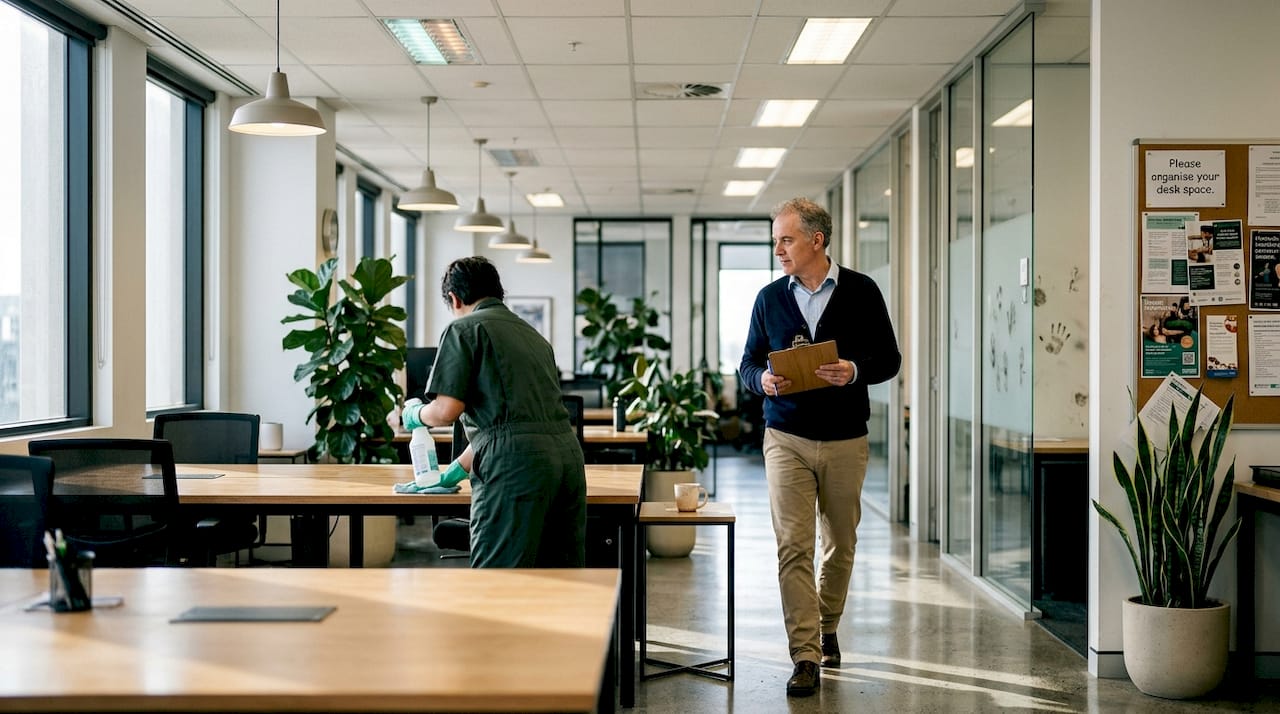
The most common pitfall is relying on visual checks. A surface can look clean and still carry enough pathogens to cause illness. Skipping ATP testing, using inconsistent colour coding, and failing to maintain up-to-date SOPs are the three mistakes that appear most frequently in failed audits.
Absenteeism is a concrete financial consequence of poor hygiene. Sick leave costs a small business approximately $20,000 per year, and that figure does not account for lost productivity or the reputational cost of a hygiene-related incident. WHS compliance is not just about avoiding fines. It is about protecting your bottom line.
The numbers are stark. Good hygiene practices reduce workplace fatalities by up to 30% and serious injury claims by up to 20%. These are not marginal gains. They represent a fundamental shift in workplace safety outcomes.
Working with compliant hygiene providers ensures your facility has the reporting infrastructure to support audits. Reviewing office hygiene tips can also help you identify gaps in your current programme before an auditor does.
Steps to audit-ready hygiene:
-
Document all SOPs and update them at least annually
-
Implement colour-coded equipment across all zones
-
Schedule ATP testing at regular intervals and retain results
-
Maintain a cleaning log with timestamps and staff sign-offs
-
Conduct a full internal audit monthly, not just before inspections
-
Brief all staff on hygiene protocols, not just cleaning personnel
-
Engage a certified external provider for specialist tasks
Pro Tip: Schedule a full facility audit every month, not just before an external inspection. Monthly audits catch drift before it becomes a compliance failure.
Reviewing professional cleaning standards will give you a clear benchmark for what auditors expect and where most facilities fall short.
Nuances, edge cases and sustainable hygiene solutions
Standard hygiene programmes cover the basics well. But high-traffic facilities, outbreak scenarios, and sustainability requirements demand a more nuanced approach.
High-traffic areas such as entry foyers, lift buttons, and shared bathrooms in commercial buildings require multiple cleans per day. Enhanced protocols for these zones include dedicated colour-coded equipment, more frequent ATP testing, and escalation procedures when readings exceed acceptable thresholds.
Outbreaks change everything. When a gastroenteritis or respiratory illness event occurs in your facility, standard cleaning schedules are insufficient. High-touch surfaces must be disinfected within 2 to 4 hours of identification, and the frequency of full-area disinfection should increase immediately. Your contract with a hygiene provider should clearly specify who is responsible for outbreak escalation and what the response timeline looks like.
“ATP testing must meet fewer than 15 RLUs for true cleanliness. Any reading above this threshold means the surface is not hygienically clean, regardless of how it looks.”
Chemical safety is another area where edge cases matter. All cleaning chemicals must comply with SDS (Safety Data Sheet) and GHS (Globally Harmonised System) guidelines. PPE hierarchies must be followed, and staff must be trained on chemical handling. Silica dust, for example, carries an exposure limit of 0.05 mg per cubic metre under Australian WHS regulations.
Sustainability is increasingly a procurement requirement. GECA-certified (Good Environmental Choice Australia) products offer lower volatile organic compounds (VOCs), reducing both chemical exposure and slip risk from residue. They also support your facility’s environmental reporting obligations.
Cleaning frequency for edge cases:
| Scenario | Recommended frequency | Notes |
|---|---|---|
| Outbreak event | Every 2 to 4 hours | All high-touch surfaces |
| High-traffic entry | 4 to 6 times daily | ATP verify each shift |
| Healthcare zone | Continuous monitoring | TGA-compliant products |
| Post-event venue | Immediate full clean | Before next occupancy |
For specialist waste streams, understanding sanitary bin best practices is essential. Sanitary disposal is a regulated activity, and improper handling creates both compliance and reputational risk.
Reviewing workplace hygiene compliance requirements for your specific industry will help you identify which edge cases apply to your facility.
Pro Tip: Always clarify outbreak response protocols in your hygiene contract before signing. Vague language around escalation can leave your facility exposed when it matters most.
Why outsourcing professional hygiene is crucial for Australian facilities
Here is an uncomfortable truth that many facility managers learn the hard way: in-house cleaning teams, no matter how diligent, rarely have the training, equipment, or documentation systems to meet the full scope of WHS, TGA, and ISO hygiene requirements. It is not a reflection on their effort. It is a structural limitation.
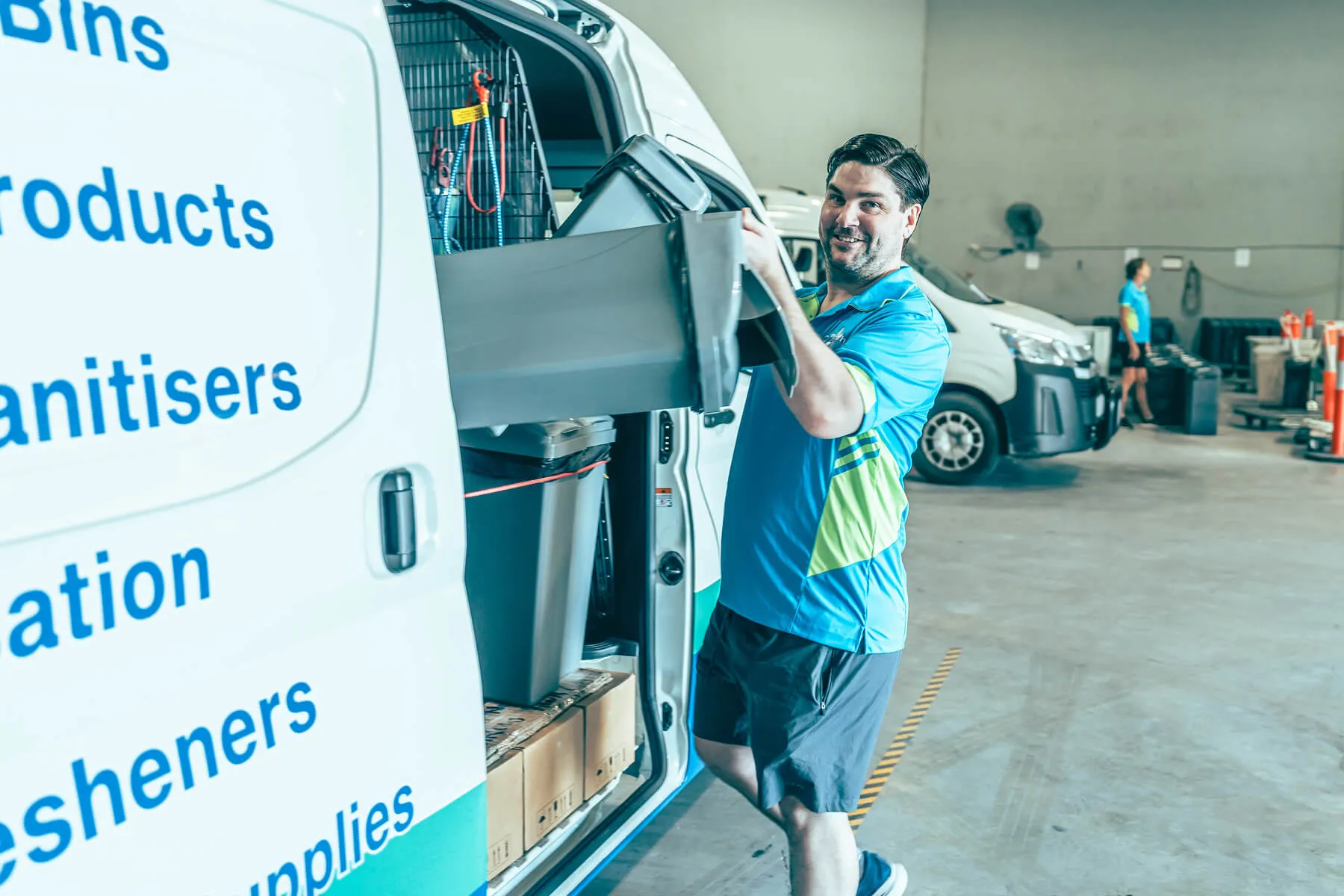
Specialist providers bring validated SOPs, ATP testing equipment, certified chemicals, and compliance reporting as standard. They also carry the liability for their work, which shifts audit risk away from your organisation. In Brisbane, Gold Coast, and Melbourne, we consistently see facilities that outsource hygiene to certified providers achieve higher audit pass rates and lower sick leave costs than those relying on in-house teams for specialist tasks.
Established providers are the right choice for specialist needs like sanitary waste disposal, sharps management, and outbreak response. These are not tasks where improvisation is acceptable.
Review your provider’s certifications annually. Standards evolve, and a provider that was compliant two years ago may not meet current benchmarks. A facility manager cleaning guide can help you structure that annual review.
Pro Tip: Ask your hygiene provider for their current WHS and TGA compliance documentation at least once a year. If they hesitate, that tells you something important.
Explore professional hygiene services for your facility
Ozifresh has been delivering professional hygiene services across Brisbane, Gold Coast, and Melbourne for over 40 years. Whether you manage a service station, a nursing home, or a busy office environment, Ozifresh provides tailored solutions that meet your compliance obligations and keep your people safe. From sanitary disposal and sharps management to hand hygiene systems and air fresheners, every service is backed by documented SOPs and audit-ready reporting. If you are unsure whether your current hygiene programme meets WHS standards, now is the right time to assess it. Reach out to Ozifresh to discuss your facility’s needs and request a quote.
Frequently asked questions
How does professional hygiene differ from regular cleaning?
Professional hygiene involves risk-based programmes with ATP testing and compliance reporting, whereas regular cleaning focuses on removing visible dirt without pathogen verification.
What are the main compliance standards for hygiene in Australian workplaces?
Australian workplaces must meet WHS obligations, and many industries also require TGA and ISO compliance, all supported by audit reporting from your hygiene provider.
How often should high-touch surfaces be cleaned?
High-traffic areas require cleaning multiple times per day, and during outbreak events, high-touch surfaces should be disinfected every 2 to 4 hours.
How do professional hygiene solutions reduce sick leave and costs?
Effective hygiene lowers illness transmission in the workplace, and sick leave costs a small business around $20,000 per year, making prevention a straightforward financial decision.
Recommended
Ready for a cleaner, safer workplace?
Contact our team today to discuss hygiene services for your business in Brisbane, Melbourne or the Gold Coast.