Infection control in schools: 2026 guide for educators

TL;DR:
- Effective infection control in schools involves daily hygiene practices and targeted precautions to prevent disease spread. Building a strong culture of hygiene, with consistent staff modelling and student education, reduces outbreak risks and maintains learning continuity. Proper cleaning, ventilation, and clear exclusion policies are essential components for a resilient and healthy school environment.
Infection control in schools is the systematic use of hygiene practices and precautions to minimise the spread of infectious diseases among students and staff. Known formally as Infection Prevention and Control (IPC), it covers two distinct tiers: Standard Precautions applied daily by everyone, and Transmission-Based Precautions triggered when a specific infection is suspected or confirmed. Australian schools operate under guidance from bodies including the CDC, Education Queensland, and state health authorities. Getting IPC right protects attendance, learning continuity, and the health of your most vulnerable students.
What is infection control in schools?
Infection control in schools means applying a structured set of daily hygiene measures and targeted precautions to reduce pathogen transmission in educational settings. The two-tier model is the recognised industry standard. Standard Precautions treat every student and staff member as a potential infection source, regardless of symptoms. Transmission-Based Precautions layer on top when a known or suspected illness requires isolation, cohorting, or additional PPE.
This distinction matters because most schools focus heavily on outbreak responses and neglect the daily baseline. Embedding horizontal IPC practices daily reduces reliance on reactive responses during outbreaks and improves long-term sustainability. A school that practises strong Standard Precautions every day is far less likely to face a serious outbreak in the first place.
The importance of hygiene in schools extends beyond individual health. Illness-related absences directly disrupt learning continuity and place pressure on teaching staff. Viewing infection control as a core pillar of school operations creates more resilient and stable learning environments.
What are the core infection prevention strategies used in schools?
Standard Precautions form the foundation of every school’s daily IPC programme. These are non-negotiable practices applied universally, regardless of whether anyone appears unwell.
The key daily practices include:
-
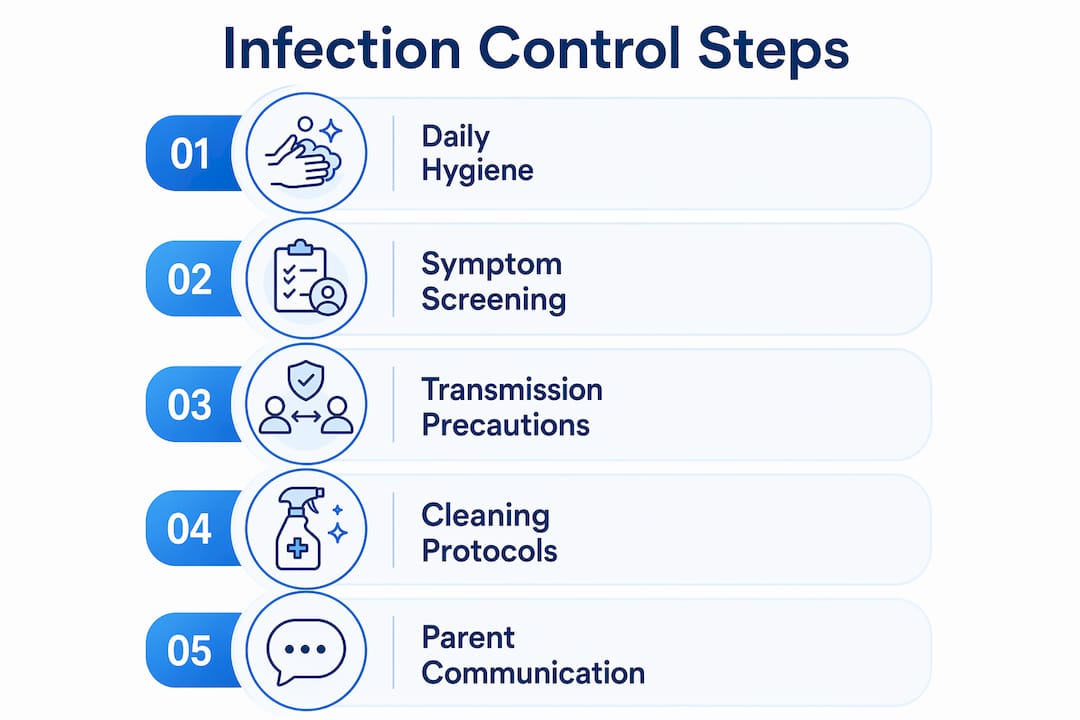
Hand hygiene. Students and staff must wash hands with soap and water for at least 20 seconds, or use a hand sanitiser containing at least 60% alcohol. Frequency matters as much as technique, particularly before eating and after using the bathroom.
-
Respiratory etiquette. Covering coughs and sneezes with a tissue or elbow significantly reduces droplet spread. This is a teachable behaviour, not an assumption.
-
Routine surface cleaning. High-touch surfaces including door handles, desks, light switches, and toilet fixtures require daily cleaning. These surfaces carry the highest pathogen load in any school building.
-
PPE use. School health staff must use gloves and other appropriate PPE when handling blood, bodily fluids, or sharps. Standard Precautions in school health offices include proper sharps disposal protocols to protect both staff and students.
-
Ventilation. Good ventilation lowers airborne viral particle concentration in enclosed classrooms. Open windows where possible, or confirm your HVAC system meets current design codes.
Pro Tip: Install touch-free soap and sanitiser dispensers at school entry points and near canteens. Removing friction from handwashing dramatically increases compliance among younger students.
Transmission-Based Precautions activate when a specific illness is identified. These include isolating symptomatic students from the general population, cohorting affected classes, and applying additional cleaning to affected areas. The key is having these procedures documented and rehearsed before they are needed.

How do schools manage infectious disease outbreaks and exclusion policies?
Outbreak management is where many schools struggle most. The procedures below reflect current school health guidelines and Australian best practice for controlling outbreaks in educational settings.
-
Identify and isolate early. When a student or staff member shows symptoms, move them to a designated isolation area away from others. Waiting for confirmation before acting increases transmission risk.
-
Apply exclusion rules immediately. For illnesses involving vomiting or diarrhoea, the standard benchmark is 48-hour exclusion after symptoms cease before the student returns to school. This rule exists because gastroenteritis remains highly contagious even after a person feels better.
-
Notify parents and staff promptly. Clear, consistent communication is a defining feature of successful infection control strategies. Ambiguous messaging creates confusion and resistance to exclusion measures.
-
Activate your emergency operations plan. Schools should have a documented outbreak response plan that assigns roles, identifies communication channels, and outlines escalation steps to local public health units.
-
Conduct enhanced cleaning. Increase cleaning frequency in affected areas and switch from routine cleaning to disinfection of high-touch surfaces during an active outbreak.
Pro Tip: Prepare parent communication templates before any outbreak occurs. Well-prepared exclusion explanations reduce pushback and maintain community trust when emotions are running high.
Balancing exclusion with the needs of vulnerable students requires careful judgement. Students with immunocompromising conditions need additional protection during outbreaks, and this should be factored into your emergency planning from the outset.
How can schools build a culture of infection control?
Protocols on paper mean nothing without consistent behaviour. Building a genuine culture of infection prevention requires deliberate effort from school leadership.
Strategies that work in Australian and international educational settings include:
-
Staff role modelling. Teachers and administrators who visibly practise hand hygiene, use tissues correctly, and stay home when unwell set the standard for students. Behaviour is contagious in both directions.
-
Student education integrated into the curriculum. Hygiene education delivered as part of Health and Physical Education, not as a one-off assembly, produces lasting behavioural change.
-
Surveillance systems. Embedding illness surveillance into school operations transforms schools from passive responders into active managers of health risks. Tracking absence patterns by class or year group allows early detection of emerging clusters.
-
Collective responsibility messaging. Framing hygiene as a shared community obligation, rather than an individual burden, increases voluntary compliance. Schools that treat hygiene as collective responsibility demonstrably reduce illness impacts on school functioning.
-
Regular training for all staff. Infection control training for staff is not a one-time induction item. Annual refreshers, particularly before winter, keep knowledge current and reinforce leadership commitment. Behavioural staff training programmes, such as those offered by Building Block Resolutions, provide structured frameworks for embedding compliance behaviours across school teams.
Proactive, well-communicated infection prevention is more effective than crisis-driven responses and builds lasting trust within the school community. The schools that manage illness best are not the ones with the most aggressive outbreak responses. They are the ones where hygiene is simply how things are done every day.
What are the best cleaning and hygiene practices for australian schools?
Cleaning and disinfecting are not the same thing. Confusing the two leads to either under-protection or unnecessary chemical exposure. Understanding the difference is one of the most practical things a school administrator can do.
| Practice | When to Use | What It Does |
|---|---|---|
| Cleaning | Daily routine maintenance | Removes dirt, organic matter, and reduces pathogen load using soap and water |
| Disinfecting | After a confirmed illness or outbreak | Kills pathogens on surfaces using approved chemical agents |
| Sanitising | Food preparation areas, canteens | Reduces microbial levels to safe thresholds on food-contact surfaces |
Soap and water cleaning is sufficient for most routine school maintenance. Disinfection should be reserved for specific risk situations because overuse of disinfectants causes unnecessary chemical exposure and contributes to resistance concerns. This is a point many schools get wrong.
When disinfection is warranted, use products equivalent to EPA-registered disinfectants or those approved under Australian standards. Only trained staff should apply these products, following manufacturer dilution and contact time instructions precisely. Cutting contact time short renders disinfection ineffective.
Pro Tip: Review your environmentally safe hygiene options alongside standard products. Sustainable cleaning choices reduce chemical load in school environments and align with duty-of-care obligations for students with sensitivities.
Handwashing infrastructure is as important as the products themselves. Soap dispensers must be stocked and functional at all times. Schools should audit bathroom and canteen facilities regularly to confirm soap availability, working taps, and adequate hand drying options. A well-maintained soap dispenser programme removes a common compliance gap that undermines even the best hygiene policies. Pair this with accessible hand sanitiser stations at entry points, staffrooms, and high-traffic corridors for a complete hand hygiene system.
Key takeaways
Effective infection control in schools requires daily Standard Precautions, clear exclusion policies, trained staff, and a school culture where hygiene is a shared responsibility, not an afterthought.
| Point | Details |
|---|---|
| Two-tier IPC model | Apply Standard Precautions daily and activate Transmission-Based Precautions when a specific illness is identified. |
| Hand hygiene specifics | Handwashing requires 20 seconds with soap, or a sanitiser with at least 60% alcohol, applied consistently throughout the day. |
| Exclusion benchmark | Students with vomiting or diarrhoea must stay home for at least 48 hours after symptoms cease before returning to school. |
| Cleaning vs disinfecting | Use soap and water for daily cleaning; reserve approved disinfectants for confirmed illness situations to avoid chemical overuse. |
| Culture over compliance | Schools that embed hygiene as a collective daily habit reduce outbreak severity and protect learning continuity long term. |
Why reactive infection control is a risk schools cannot afford
Most schools I have worked alongside treat infection control as something that activates when a child vomits or a gastro outbreak hits Year 3. That reactive mindset is the single biggest vulnerability in Australian school health management.
The evidence is clear. Horizontal IPC practices applied every day reduce the need for disruptive outbreak responses. Yet the daily basics, stocked soap dispensers, functioning ventilation, staff who model good respiratory etiquette, are the first things to slip when budgets tighten or attention drifts.
What I find most underestimated is the communication piece. Schools that invest in clear, pre-prepared messaging for parents before any outbreak occurs face far less resistance when exclusion decisions are made. Trust is built in the quiet periods, not during a crisis. A principal who has communicated hygiene expectations clearly all year will have a much easier conversation with a frustrated parent in week six of term than one who has never raised the topic.
Leadership commitment is non-negotiable. When the principal washes their hands visibly, when the deputy principal sends home a staff member who is clearly unwell, the message lands in a way that no policy document can replicate. Infection control culture starts at the top and filters down. Schools that understand this are the ones that stay open when their neighbours are sending students home.
— Ozifresh
How ozifresh supports school infection control
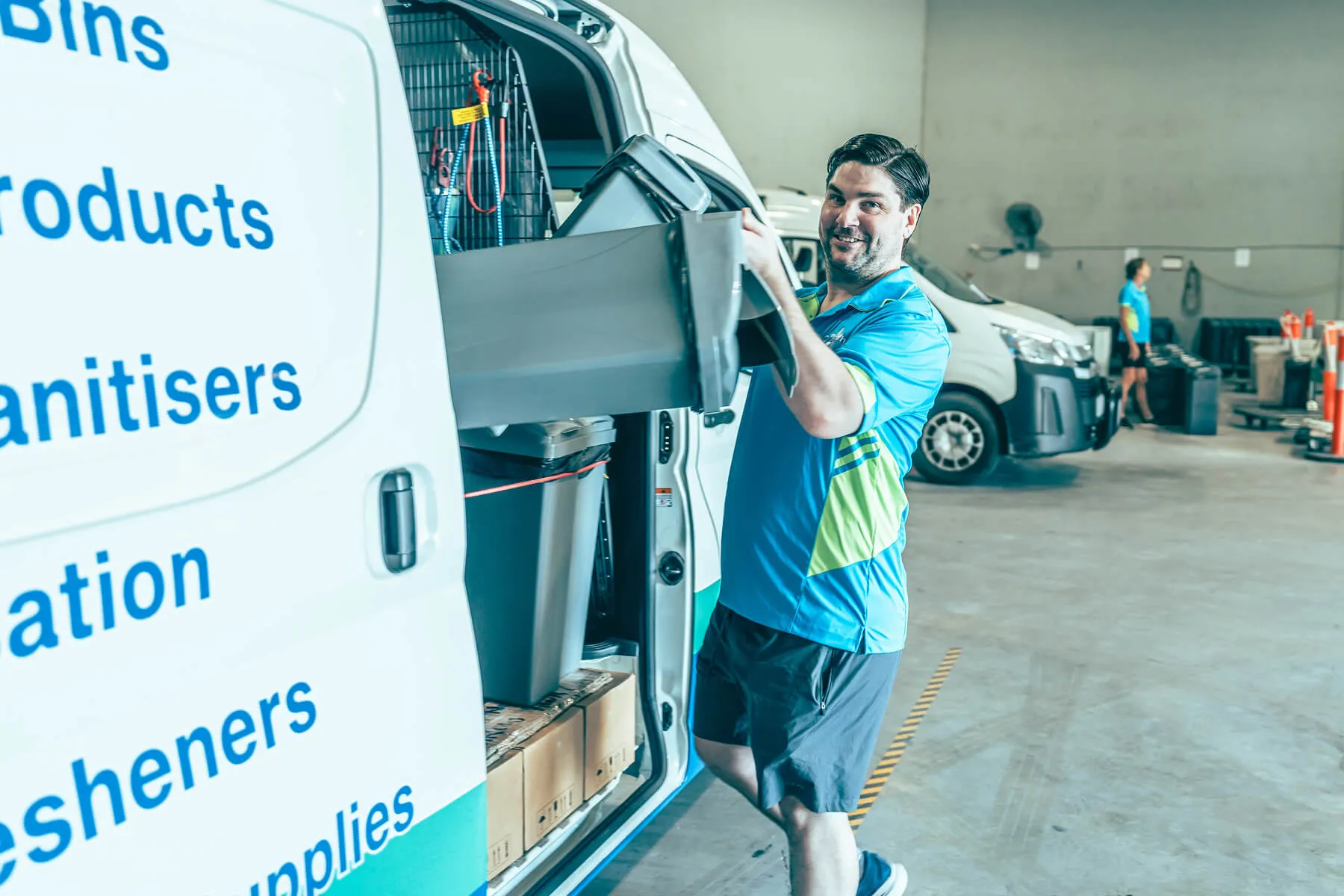
Maintaining rigorous infection control in schools requires more than good intentions. It requires reliable hygiene infrastructure, stocked and serviced consistently. Ozifresh has supported Australian educational institutions for over 40 years, supplying hand hygiene stations, soap dispensers, hand sanitiser units, and sanitary disposal services tailored to school environments. Whether your school is in Brisbane or Melbourne, Ozifresh provides scheduled servicing and compliance-focused hygiene solutions designed for high-traffic educational settings. Explore the full range of school hygiene services or contact Ozifresh directly for a solution tailored to your school’s specific needs.
FAQ
What is the difference between standard and transmission-based precautions?
Standard Precautions are daily hygiene measures applied universally to all students and staff, regardless of symptoms. Transmission-Based Precautions are additional measures, such as isolation or cohorting, activated when a specific infectious disease is suspected or confirmed.
How long must students stay home after a stomach bug?
The standard exclusion period for gastroenteritis is at least 48 hours after all symptoms of vomiting and diarrhoea have ceased. Returning to school before this period increases the risk of spreading infection to classmates and staff.
How often should high-touch surfaces be cleaned in schools?
High-touch surfaces including door handles, desks, and toilet fixtures should be cleaned daily as part of routine school sanitation protocols. During an active outbreak, cleaning frequency should increase and disinfection should replace routine cleaning in affected areas.
What alcohol percentage is required in school hand sanitisers?
Hand sanitisers used in schools must contain at least 60% alcohol to be effective against common pathogens. Products below this threshold do not reliably reduce infection transmission and should not be used as a substitute for soap and water handwashing.
Why is infection control training important for school staff?
Trained staff apply hygiene protocols correctly, model good behaviour for students, and respond effectively during outbreaks. Annual infection control training for staff keeps knowledge current and reinforces the school’s commitment to a safe learning environment.
Recommended
Ready for a cleaner, safer workplace?
Contact our team today to discuss hygiene services for your business in Brisbane, Melbourne or the Gold Coast.