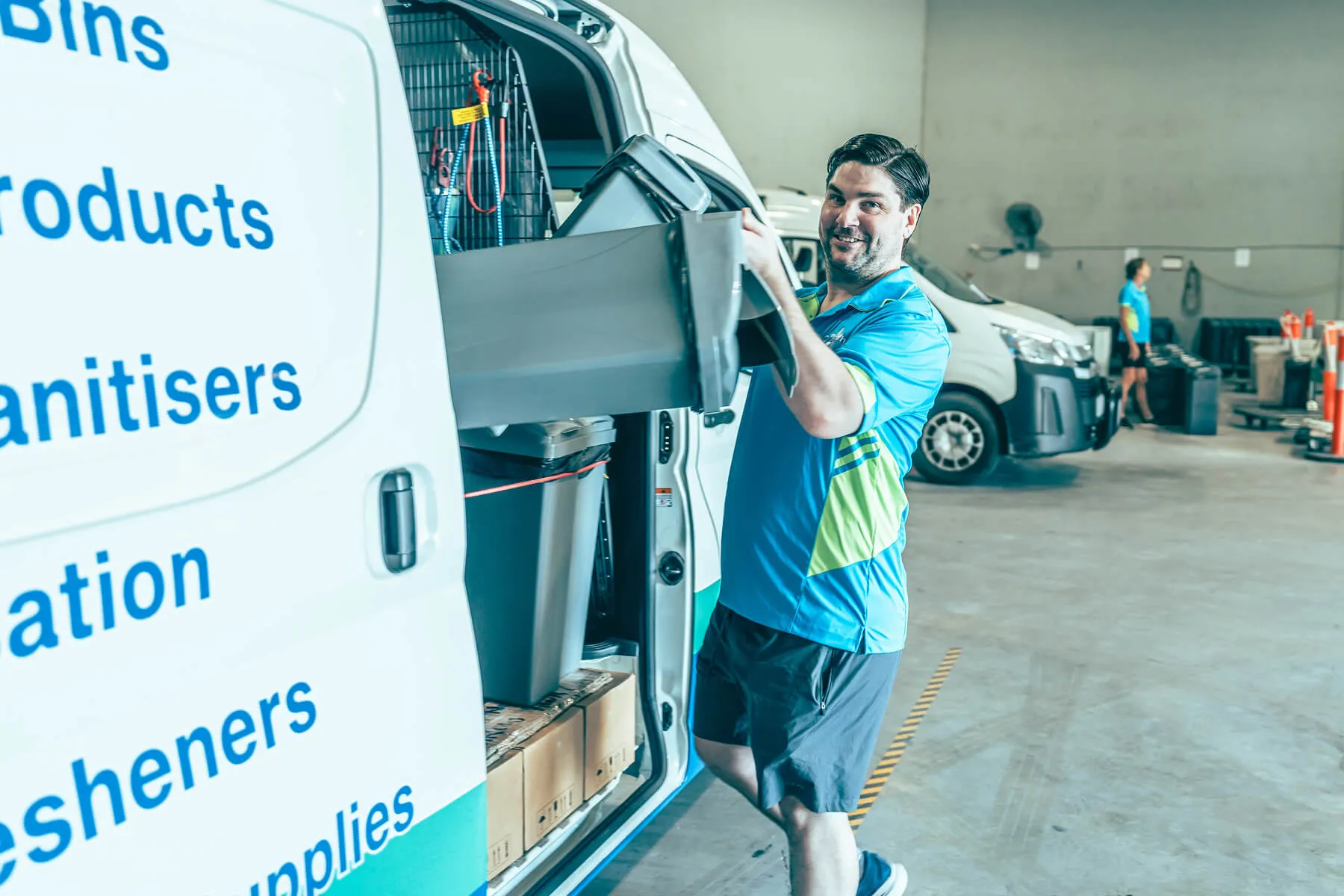
Essential hygiene products for commercial and healthcare facilities

TL;DR:
Choosing compliant, effective hygiene products is essential for safety and regulatory adherence.
Key products include hand sanitiser, soap dispensers, gloves, disinfectants, and disposal units.
Staff training and routine checks are crucial for ensuring hygiene practices are effective.
Selecting the wrong hygiene products for your facility is not just an inconvenience. It can mean failing an audit, exposing staff to preventable illness, or breaching Australian workplace health and safety obligations. For facility managers and decision-makers across Brisbane, the Gold Coast, and Melbourne, the stakes are real. The products you stock, how you maintain them, and whether they meet relevant standards all feed directly into compliance outcomes and the daily wellbeing of everyone in your building. This article walks through the key criteria, essential products, and practical recommendations to help you make confident, informed choices.
Table of Contents
-
Situational recommendations: Choosing products for your facility
-
A practical perspective: The overlooked factors in hygiene product selection
Key Takeaways
| Point | Details |
|---|---|
| Compliance matters | Hygiene products must meet Australian legal standards to avoid penalties and protect health. |
| Product selection is critical | Choosing the right mix of hand hygiene, waste disposal, and cleaning products ensures safe and efficient operations. |
| Tailor to facility needs | Match hygiene products to your facility type, regulatory requirements, and local conditions for best results. |
| Don’t ignore training | Proper staff training and regular maintenance maximise the impact of hygiene products. |
| Eco options available | Many products now have environmentally friendly alternatives for sustainable facility management. |
Key criteria for choosing hygiene products
Before you compare products or place an order, it pays to understand what separates a compliant, effective hygiene product from one that simply looks the part. Safer workplace hygiene is guided by compliance, safety, and suitability to the facility’s specific needs, and those three pillars should anchor every purchasing decision you make.
Here are the core criteria to apply when evaluating any hygiene product:
-
Regulatory compliance: Products used in healthcare and commercial settings must align with relevant Australian standards. Sanitary disposal units, for example, should meet AS/NZS 3816 for healthcare waste and AS/NZS 4547 for sanitary disposal. These are not optional benchmarks.
-
Proven efficacy: Does the product actually do what it claims? A hand sanitiser needs a minimum 60% alcohol concentration to be clinically effective. Surface disinfectants must demonstrate kill rates against relevant pathogens.
-
Accessibility and usability: Products that are difficult to use get ignored. Wall-mounted dispensers at the right height, clearly labelled containers, and intuitive systems all improve uptake among staff and visitors.
-
Environmental impact: Eco-conscious procurement is increasingly expected. Look for biodegradable consumables, recyclable packaging, and suppliers with documented waste management practices.
-
Cost-effectiveness: Ongoing supply and servicing costs matter as much as the upfront price. A cheaper product that requires more frequent replacement or causes compliance issues will cost you more in the long run.
Your workplace health and safety duties extend to the hygiene infrastructure you provide, so treat product selection as a compliance function, not just a procurement task.
Pro Tip: When trialling a new product, run it through a short staff feedback cycle before committing to a full facility rollout. Usability issues surface quickly in practice and are far cheaper to fix before you have 50 dispensers installed.
Examples of essential hygiene products
With those criteria in mind, the following products form the backbone of hygiene management in commercial and healthcare facilities. Each serves a distinct function, and gaps in your product mix can create real compliance and safety risks.
-
Hand sanitiser stations: Critical at entry points, near food preparation areas, and throughout healthcare environments. Hand sanitiser with at least 60% ethanol is the standard for effective pathogen reduction.
-
Soap dispensers: Manual or automatic soap dispensers should be present at every washroom basin. Touchless models reduce cross-contamination significantly.
-
Hand towels: Single-use paper or properly laundered fabric options both have a place. Hand towels are essential for completing the handwashing process and reducing residual moisture that harbours bacteria.
-
Disposable gloves: Mandatory in healthcare, food handling, and cleaning contexts. Nitrile gloves are preferred where latex allergies are a concern.
-
Medical masks: Required in clinical and high-risk environments, and useful in commercial settings during illness outbreaks.
-
Surface disinfectants: Hand hygiene stations, disposable gloves, and surface disinfectants play critical roles across all facility types, from offices to operating theatres.
-
Sanitary bin systems: Essential in all female or mixed-gender washrooms. Compliance with sanitary disposal standards is non-negotiable.
-
Sharps disposal units: Required wherever injections or blood sampling occur, including medical clinics and some aged-care settings.
-
Air fresheners: Support a pleasant and professional environment while managing odours in high-traffic washrooms.
-
Nappy bins: Essential in childcare centres and family facilities. Nursing home hygiene programmes also benefit from dedicated waste containment systems for continence care.
Pro Tip: Stock a small reserve of each critical consumable on site. Supply chain delays are real, and running out of hand sanitiser or gloves mid-week is a compliance and safety risk you can avoid with minimal effort.
Comparison of hygiene product types
To aid decision-making, examining hygiene products side by side reveals which best fit specific settings. Not every product suits every environment, and understanding those distinctions prevents both overspending and compliance gaps.
| Product | Best suited to | Key compliance consideration |
|---|---|---|
| Hand sanitiser station | All facilities, especially entry points | Minimum 60% alcohol concentration |
| Soap dispenser | All washrooms | Touchless preferred in healthcare |
| Disposable gloves | Healthcare, food handling, cleaning | Correct sizing and material for task |
| Surface disinfectant | All facilities | TGA registration for healthcare use |
| Sanitary bin | All female/mixed washrooms | AS/NZS 4547 compliance required |
| Sharps disposal unit | Medical, aged-care, some commercial | AS/NZS 3816 compliance required |
As hospital bathroom cleaning steps demonstrate, disinfectants and surface cleaners vary considerably in effectiveness and compliance suitability. A product registered for domestic use may not meet the threshold required in a clinical environment, so always verify TGA registration when sourcing disinfectants for healthcare settings.
“The right product in the wrong setting is still the wrong product. Compliance is contextual, and your hygiene product mix should reflect the specific risks and regulatory requirements of your facility type.”
For a broader view of how workplace hygiene service types map to different industries, it is worth reviewing the full scope of options available before locking in a supplier arrangement.
Situational recommendations: Choosing products for your facility
Once products are compared, facility managers can take these steps for tailored selection based on their specific setting and local regulatory environment.
-
Identify your facility category: Healthcare, commercial, childcare, or mixed use. This determines your baseline compliance obligations.
-
Map high-risk zones: Washrooms, entry points, food prep areas, clinical spaces, and waste handling areas all require specific product coverage.
-
Match products to risk level: Higher-risk zones need more frequent servicing and higher-grade products.
-
Check local regulatory requirements: Queensland and Victoria both have specific workplace health and safety frameworks that may affect product specifications and servicing frequency.
-
Review your supply chain: Ensure your supplier can meet ongoing demand, not just the initial order.
The table below outlines recommended products by facility type:
| Facility type | Essential products | Notes |
|---|---|---|
| Hospital or clinic | Medical masks, gloves, TGA-registered disinfectants, sharps units, sanitary bins | Highest compliance burden |
| Aged-care residence | Gloves, disinfectants, sanitary bins, nappy/continence waste bins | Nursing homes hygiene requires tailored waste management |
| Commercial office | Hand sanitiser, soap dispensers, hand towels, sanitary bins, air fresheners | Focus on accessibility and regular restocking |
| Childcare centre | Nappy bins, gentle disinfectants, hand sanitiser, soap dispensers | Child-safe formulations essential |
| Retail or service station | Hand sanitiser at entry, surface disinfectants, sanitary bins | Service station hygiene has unique waste and PPE needs |
Product appropriateness varies between aged-care residences, hospitals, and commercial venues, and a one-size-fits-all approach rarely satisfies both compliance and practical needs. Reviewing your industry hygiene solutions options with a specialist supplier helps ensure you are not under-specifying for your risk profile.
A practical perspective: The overlooked factors in hygiene product selection
Product comparisons and recommendation tables are genuinely useful tools. But after working with facilities across Brisbane, the Gold Coast, and Melbourne for over 40 years, we have seen a consistent pattern: the facilities with the best hygiene outcomes are not necessarily the ones with the most expensive products. They are the ones where staff actually use the products correctly, every single time.
A touchless soap dispenser installed at the wrong height gets ignored. A sharps unit placed in an inconvenient location fills up unevenly and creates risk. Even the best surface disinfectant underperforms if staff are not trained on dwell time, the period a product must remain wet on a surface to achieve its rated kill rate.
Our manager’s hygiene guide addresses this directly, but the core lesson is this: product selection and staff behaviour are inseparable. When you invest in hygiene products, invest equally in the training and routine checks that make those products work. The gap between a compliant facility and a genuinely hygienic one is almost always human, not product-related.
Hygiene solutions from Ozifresh
Knowing which products to choose is invaluable, but working with a trusted supplier gives you the peace of mind and reliable support that compliance demands. Ozifresh delivers hygiene products and ongoing servicing across Brisbane, Melbourne, and regional areas including the Southern Downs. Whether you manage a healthcare facility, a commercial office, or a childcare centre, our team can match you with the right sanitary products and hygiene services for your setting and compliance requirements. With over 40 years of Australian experience, we understand the regulatory landscape and the practical realities of keeping facilities clean, safe, and audit-ready. Contact Ozifresh today to discuss a tailored hygiene solution for your facility.
Frequently asked questions
What hygiene products are required by law for healthcare facilities in Australia?
Facility compliance requires PPE, hand hygiene stations, and safe disposal systems including sanitary bins and sharps units that meet AS/NZS standards. Medical-grade masks and TGA-registered disinfectants are also mandatory in clinical environments.
How often should hygiene products be restocked and maintained?
Facility managers should check hygiene products daily and restock at least weekly to maintain compliance and safety. Regular maintenance checks are especially critical in high-traffic areas such as washrooms and entry points.
Are there environmentally friendly hygiene product options?
Yes. Facilities can choose recycled hand towels, biodegradable sanitary bins, and eco-certified cleaning agents to reduce environmental impact. Eco-friendly options are increasingly available and often align with sustainability reporting requirements.
What are the most important hygiene products for childcare centres?
Nappy bins, child-safe disinfectants, and frequent handwashing provisions are the foundation of childcare hygiene. Childcare centres rely on dedicated waste containment and gentle cleaning formulations to protect both children and staff from cross-contamination.
Recommended
Ready for a cleaner, safer workplace?
Contact our team today to discuss hygiene services for your business in Brisbane, Melbourne or the Gold Coast.