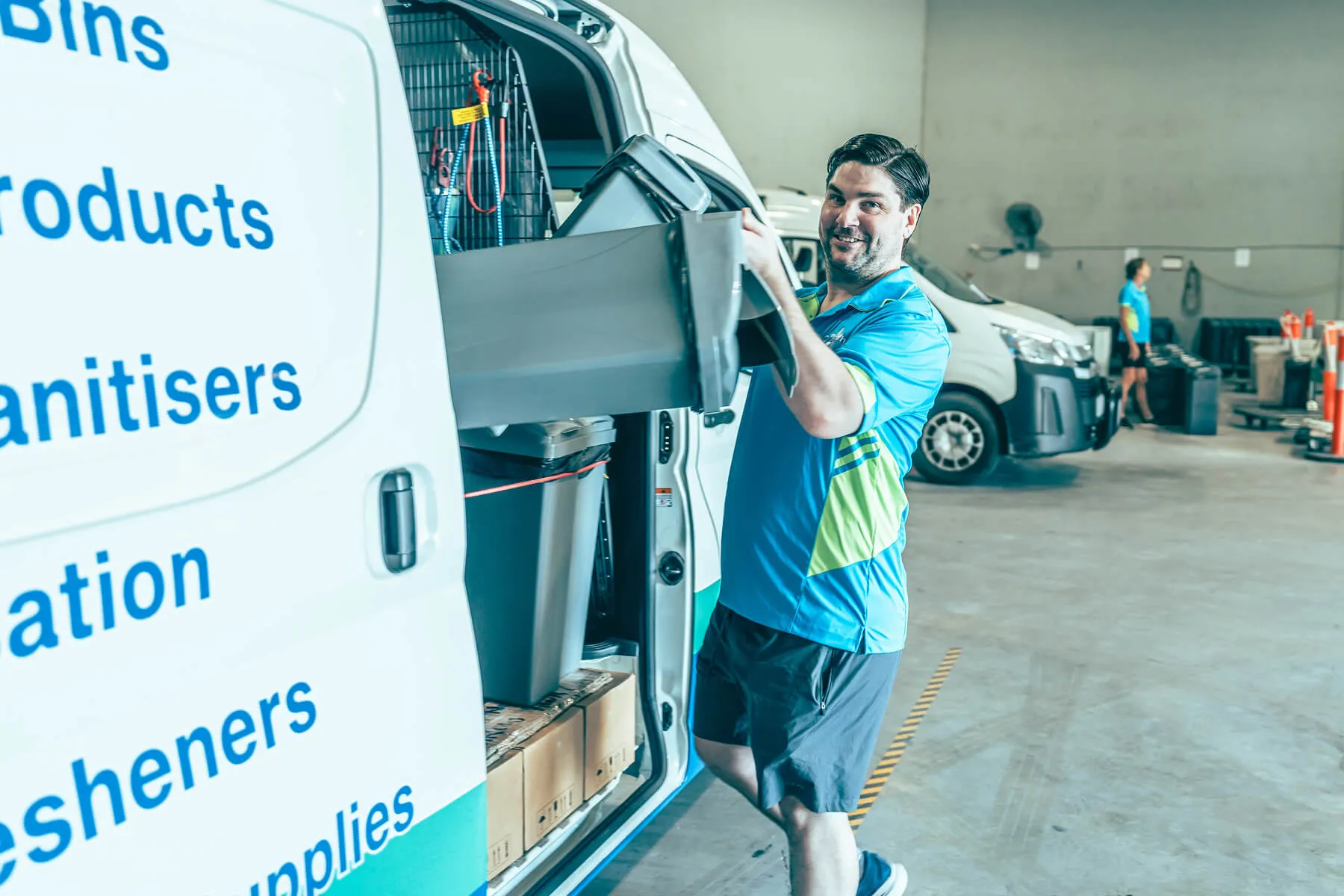
Commercial hygiene best practices for safer facilities

What separates a facility that passes every audit from one that faces fines, outbreaks, or reputational damage? In high-traffic Australian workplaces, the answer rarely comes down to effort alone. It comes down to systems. Poor hygiene costs businesses far more than regulatory penalties; it erodes staff confidence, triggers public health responses, and can shut operations overnight. Australian standards demand more than surfaces that look clean. They require systematic, auditable practices built around risk, frequency, and documentation. This guide walks facility managers through the core practices, compliance triggers, and common pitfalls that define hygiene excellence across commercial, healthcare, and educational settings.
Table of Contents
Key Takeaways
| Point | Details |
|---|---|
| Clean precedes disinfect | Always clean surfaces before disinfecting to remove contaminants and comply with Australian regulations. |
| Hand hygiene is essential | Accessible hand washing and alcohol hand rubs should be available and promoted in all commercial spaces. |
| Risk-based frequency | Determine cleaning schedules based on area risk levels and adjust during outbreaks or increased occupancy. |
| Compliant waste disposal | Sort, document, and audit all waste streams, using proper bins and partnerships for regulated waste. |
| Staff training and safety | Keep staff trained, maintain up-to-date SDS, and reinforce a reporting culture for workplace hygiene and safety. |
What defines commercial hygiene excellence?
Excellence in commercial hygiene is not about scrubbing harder. It is about applying the right method, at the right frequency, in the right zone, and being able to prove it. For Australian facilities, this means aligning with Safe Work Australia compliance guidelines and using products listed by the Therapeutic Goods Administration (TGA) wherever disinfection is required.
The core principles break down into four pillars:
-
Clean before disinfect: Organic matter blocks disinfectants from working. Cleaning always comes first.
-
TGA-listed products: In healthcare, food handling, and outbreak scenarios, only TGA-approved disinfectants meet the standard.
-
Risk-based frequency: Prioritise frequency by risk and traffic, not just a fixed calendar. High-touch zones need daily attention; deep cleans happen weekly.
-
Documentation: Photo logs, signed checklists, and audit-ready records are now industry norms, not optional extras.
Statistic: Facilities that implement risk-based cleaning schedules report significantly fewer hygiene-related incidents compared to those using fixed-interval routines alone.
Audit readiness is no longer a once-a-year concern. Regulators across Queensland, Victoria, and New South Wales increasingly conduct unannounced inspections, and the facilities that perform best are those where documentation is a daily habit, not a last-minute scramble.
Step one: Cleaning before disinfecting every time
This is the single most misunderstood step in commercial hygiene. Many facilities apply disinfectant directly to visibly soiled surfaces and assume the job is done. It is not. Organic matter, including dust, grease, and bodily fluids, physically shields pathogens from the active ingredients in disinfectants, rendering them ineffective.
The correct sequence, every time, is:
-
Remove visible soil using a detergent solution and clean cloth or mop.
-
Rinse the surface to remove detergent residue.
-
Apply the appropriate disinfectant and allow the correct contact time.
-
Do not wipe off prematurely. Contact time matters.
-
Dispose of or launder cleaning materials correctly to avoid cross-contamination.
In standard commercial settings such as offices, retail, and schools, routine detergent cleaning is sufficient for most surfaces outside of outbreak situations. The disinfection step becomes mandatory in healthcare environments, food preparation areas, and any setting where a known contamination event has occurred.
Pro Tip: Colour-code your cleaning cloths and mop heads by zone. Red for toilets, blue for general surfaces, green for kitchens. This one simple system prevents cross-contamination without requiring staff to memorise complex protocols.
Hand hygiene: The ultimate frontline defence
Surface cleaning matters, but hand hygiene is where infection transmission is most frequently broken or allowed to continue. In every facility type, the accessibility and quality of hand hygiene stations directly determines how well staff and visitors comply.

The framework differs by setting:
| Setting | Recommended product | Key standard |
|---|---|---|
| Healthcare | Alcohol-based hand rub (ABHR) plus soap and water | NHHI ‘5 Moments’ framework |
| Food preparation | Soap and water only | Food Standards Australia |
| Schools | Child-friendly ABHR plus soap stations | State education guidelines |
| General commercial | ABHR in clean zones; soap and water near contamination risk | Safe Work Australia |
In healthcare, the NHMRC hand hygiene standards require Type B clinical hand wash basins in designated areas, and the ‘5 Moments for Hand Hygiene’ framework from the National Hand Hygiene Initiative (NHHI) sets the gold standard for when and how staff must clean their hands.
“Hand hygiene compliance is the single most effective measure for reducing healthcare-associated infections. Facilities that embed it into workflow, not just policy, see measurable results.”
For schools, the approach shifts. Child-height stations, visual prompt posters, and regular staff modelling of correct technique all drive compliance far more effectively than policy documents alone. Routine audits using ATP (adenosine triphosphate) monitoring or direct observation logs give managers the evidence they need to demonstrate compliance and identify gaps before they become incidents.
Managing high-risk zones: Frequency and methodology
One of the most common mistakes facility managers make is applying a uniform cleaning schedule across all areas. A reception desk and a clinical treatment room do not carry the same risk profile, and treating them identically wastes resources while leaving genuine hazards unaddressed.
Effective zone management starts with risk area mapping. Identify every space by its foot traffic, the vulnerability of the people using it, and the nature of activities occurring there. Then build your frequency schedule around that map.
| Zone type | Minimum frequency | Key tasks |
|---|---|---|
| High-touch surfaces (handles, taps, switches) | Daily | Wipe, disinfect, log |
| Bathrooms and change rooms | Twice daily minimum | Full clean, restock, inspect |
| Air vents and behind large equipment | Weekly | Dust, inspect, report faults |
| Clinical or food prep areas | After every use | Full clean-disinfect sequence |
| Construction or maintenance zones | Increased during works | Barrier protocols, dust control |
The risk and traffic matrix approach means your schedule adapts to real conditions. A school canteen during term time needs a different routine than the same space during holidays. A healthcare ward during flu season requires escalated frequencies across the board.
Pro Tip: Post laminated frequency cards inside each zone. Staff can initial and timestamp each task on the spot, giving you an instant audit trail without additional administration.
For healthcare facilities, Australian Infection Control Guidelines (AICGs) also mandate positive airflow in clean zones and strict clean-to-dirty workflows. These are not suggestions. They are enforceable requirements that inspectors check.
Waste management: Compliance, sustainability, and accountability
Waste management is where many facilities quietly fall short. Incorrect segregation, missing documentation, and infrequent bin servicing are among the most common compliance failures identified during audits. The consequences range from regulatory notices to serious public health incidents.
Effective waste management in commercial facilities requires:
-
Source segregation: Separate landfill, recycling, sanitary, and sharps waste at the point of generation, not at the bin.
-
Documented removals: Log and photograph all regulated waste removals. This is your evidence trail for audits.
-
Low-VOC products: Sustainable cleaning practices using low-VOC (volatile organic compound) products protect staff health and reduce environmental impact.
-
Correct bin intervals: Partner with a provider that replaces bins on a schedule matched to your usage, not a generic timetable.
For facilities managing clinical or personal care waste, sharps disposal protocols and nappy bin solutions must meet state-specific regulations. Traceability from bin to final disposal is non-negotiable. Your sanitary waste services provider should supply documentation confirming compliant disposal at every collection.
Pro Tip: Conduct a waste audit quarterly. Weigh each stream, photograph the bins before collection, and compare against your usage logs. Anomalies often reveal training gaps or process failures before they escalate.
Staff training, WHS, and culture of safety
A hygiene programme is only as reliable as the people carrying it out. Work Health and Safety (WHS) obligations in Australia require more than a one-off induction. They require ongoing, documented training that keeps pace with every product or procedure change.
Building a strong hygiene culture means:
-
Maintain a central Safety Data Sheet (SDS) library for every chemical used on site, accessible to all staff.
-
Conduct formal risk assessments before introducing new products or procedures, and after any incident.
-
Mandate appropriate PPE for every task. Gloves, aprons, and eye protection are not optional in high-risk zones.
-
Update training records every time a product or process changes, not just annually.
“WHS compliance requires SDS libraries, PPE mandates, induction training, and regular risk assessments. Facilities that treat these as administrative tasks rather than safety tools consistently underperform in audits.”
Encouraging a reporting culture is equally important. Staff who feel safe raising concerns about a broken dispenser, a missing bin, or an unsafe chemical storage situation catch problems early. Facilities that penalise or ignore reports find those same problems surfacing during inspections instead. For teams managing office and business environments, embedding hygiene accountability into daily routines rather than treating it as a separate function makes compliance far more sustainable.
Responding to outbreaks and special scenarios
Even the best-maintained facility will face unexpected events. A gastroenteritis outbreak, a biohazard spill, or a major construction project each demands a different response, and managers who have not planned for these scenarios often make costly mistakes under pressure.
When an outbreak is suspected or confirmed:
-
Immediately escalate to transmission-based precautions. Isolate affected areas and restrict access.
-
Increase cleaning and disinfection frequencies across all shared surfaces.
-
Double-bag and clearly label all biohazard waste before removal, as required by aged care and healthcare guidelines.
-
Notify your hygiene services provider immediately so bin servicing and waste removal can be escalated.
Statistic: Facilities with documented outbreak response protocols resolve contamination events significantly faster and with fewer secondary cases than those relying on improvised responses.
For construction or maintenance projects, increase air exchange rates, install physical barriers between work zones and occupied areas, and escalate dust and debris cleaning frequencies. Every response step must be documented. Regulators expect to see a clear record of what was done, when, and by whom. That paper trail is your protection if a complaint or investigation follows.
How Ozifresh supports commercial hygiene excellence
Bringing together compliant waste management, hand hygiene systems, and auditable cleaning routines is a significant operational undertaking. Ozifresh has been helping Australian facilities do exactly this for over 40 years, across Brisbane, the Gold Coast, and Melbourne. Our sanitary products and hygiene services are designed to align with Australian compliance requirements across every sector, from healthcare and education to hospitality and retail. Whether you need toilet sanitiser solutions that meet audit standards or specialist hygiene programmes for high-traffic environments like service stations, we tailor every solution to your facility’s specific risk profile. Contact Ozifresh today for a hygiene assessment and find out where your current programme stands.
Frequently asked questions
What is the recommended cleaning frequency for high-touch surfaces?
High-touch surfaces should be cleaned at least daily, with frequency increasing in high-traffic or high-risk areas such as healthcare wards or school canteens.
Are disinfectants always required for commercial cleaning?
No. Routine detergent cleaning is sufficient in non-healthcare settings, but TGA-listed disinfectants become mandatory during outbreaks, in clinical areas, or wherever a high-risk contamination event has occurred.
How should hazardous waste be handled in facilities?
Sharps, biohazard, and clinical waste must be double-bagged and labelled before removal, using dedicated compliant bins and a documented disposal trail.
What is the ‘5 Moments for Hand Hygiene’?
The ‘5 Moments for Hand Hygiene’ is the NHHI framework identifying the five critical points in healthcare workflows where hand cleaning is mandatory to prevent infection transmission.
How do audits improve facility hygiene compliance?
Regular audits using ATP monitoring or observation logs verify that cleaning routines are working as intended and provide the documented evidence regulators expect during inspections.
Recommended
Ready for a cleaner, safer workplace?
Contact our team today to discuss hygiene services for your business in Brisbane, Melbourne or the Gold Coast.